935 Cambridge Ave
Cardiff By The Sea, CA 92007 Home Build
Cardiff-by-the-Sea, California
The Cambridge Ave project in Cardiff-by-the-Sea represents the kind of build that only works when the property, the neighborhood, the design language, and the execution are all moving in the same direction. This was not a project where the goal was simply to add square footage or create a new structure on a valuable lot. It was a full coastal modern build conceived as a complete living product: architecture that feels clean without feeling cold, a layout that feels open without feeling wasteful, and a finished result that belongs in Cardiff rather than competing with it. Public listing history and property records point to this project as a paired Cambridge development, with 1935 Cambridge Ave and 1941 Cambridge Ave each delivered at 2,486 square feet, both built in 2023, which puts the combined built area at just under 5,000 square feet total. The public record trail also shows that the site had been identified years earlier as a builder/development opportunity in the Walking District near the beach, with lot size and zoning that supported a more ambitious residential outcome.
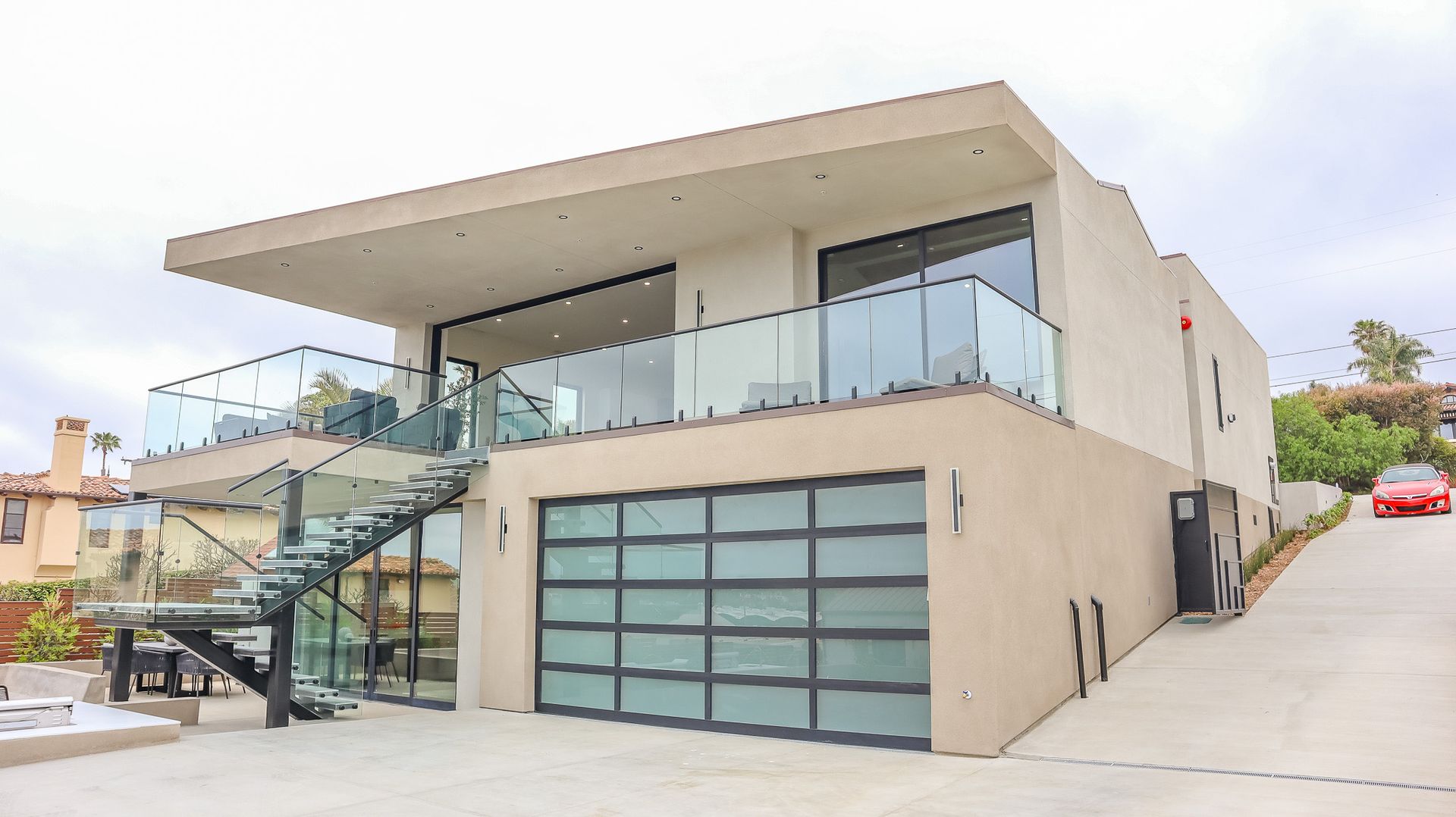
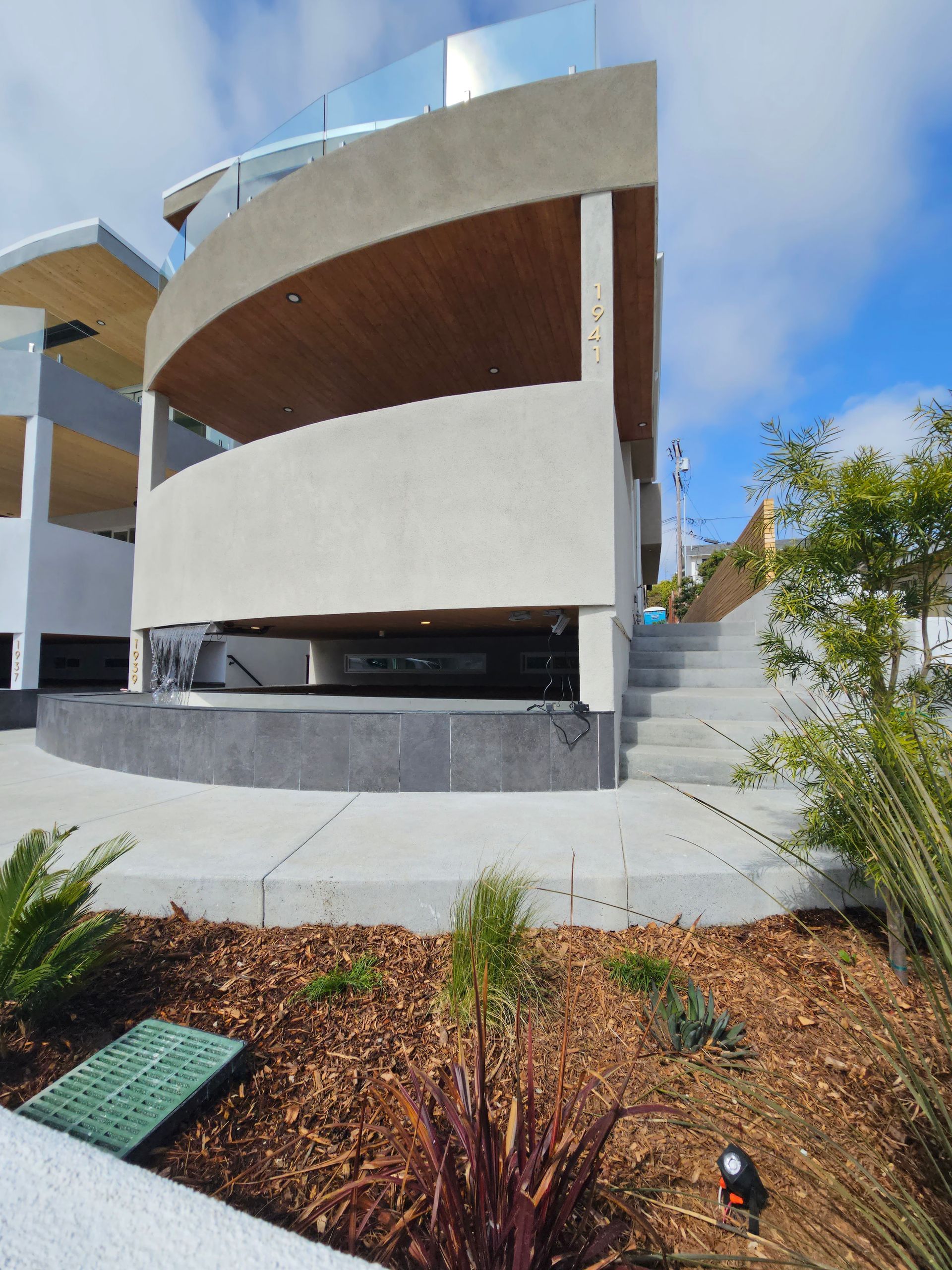
[IMAGE 1 — HERO EXTERIOR / STREET-FRONT ELEVATION]
Alt text: Modern coastal home build on Cambridge Ave in Cardiff-by-the-Sea
Caption idea: A clean-lined modern coastal build designed to maximize light, livability, and neighborhood fit just blocks from the beach.
What makes this project especially strong is that it sits in one of those locations where a house cannot be generic. Cardiff-by-the-Sea is not the kind of place where you can force a bulky, disconnected design onto a lot and expect it to feel right. The setting itself demands more discipline than that. This stretch of Cambridge is close to the coast, west of Interstate 5, and tied to the walkable, highly sought-after Cardiff area that public listings repeatedly describe as adjacent to the Walking District and near beach access, shops, and neighborhood amenities. On a site like this, people are not just buying a structure. They are buying light, breeze, walkability, privacy, flexibility, and a certain feeling when they come home. That is why a project like this has to be designed from the lot outward rather than from a generic floor plan inward. The strongest part of the Cambridge build is that it appears to have been developed with exactly that mindset.
At the highest level, this project should be understood as a modern coastal paired-home build rather than a one-note “new house.” Older Redfin sale history for the site explicitly described the property as a builder/investment opportunity with ocean-view potential, alley access, R-11 zoning, and the ability to build twin homes or row homes. Later public sales and listing descriptions show the finished result as two newly built Cambridge residences, each around 2,486 square feet, with public-facing descriptions that highlight ocean views, modern architecture, and ADU or guest-space flexibility. That sequence matters because it tells the full story of the project: the value of the lot was not just in the dirt, but in the opportunity to create a thoughtful, higher-performing residential product on a beach-close site that had the location and zoning to justify it. In other words, this was a project about unlocking the lot’s highest realistic potential without losing the character and feel that make Cardiff desirable in the first place.
The overall design direction reads as distinctly coastal modern. Public listing descriptions for these Cambridge addresses reference ocean views, open-plan living, high ceilings, abundant natural light, floating stairs with glass railing, folding glass doors, architectural LED lighting, and elevated indoor-outdoor entertaining. Those are not random luxury talking points. They are the exact features that matter when a coastal build is being done correctly. A true coastal modern home has to feel bright, simple, and edited. It should not feel overworked. It should not rely on heavy ornament or visual clutter. The geometry needs to be clean. The openings need to be generous. The circulation needs to make sense. The transitions between the inside and outside need to feel natural. And the premium moments need to come from proportion, light, and experience rather than from throwing too many finishes into the same room. That is the language this project appears to speak from the public record and listing trail, and it is a big reason the finished property reads as high-end without looking forced.
[IMAGE 2 — FULL FRONT ELEVATION OR DUSK SHOT]
Alt text: Front elevation of Cambridge Ave coastal modern home in Cardiff-by-the-Sea
Caption idea: Modern massing, clean geometry, and strong exterior restraint help the build feel elevated without overpowering the street.
From a development standpoint, one of the smartest things about this project is the way it treats density and flexibility. Public records for 1935 Cambridge Ave show a 5,000-square-foot lot, R11 residential zoning, and county records that reference two units, while public listing language tied to the paired Cambridge addresses describes a main home plus a separate 1-bedroom / 1-bath ADU or guesthouse component with its own entrance, kitchen, and laundry. One Cambridge listing even refers to the ADU as carrying its own separate address, which reinforces the idea that this was not simply a single oversized residence dropped onto a small lot. It was a more nuanced residential strategy that created flexibility in how the property could live and perform. That kind of approach is especially valuable in coastal neighborhoods where owners may want space for guests, multigenerational living, a work-from-home setup, a separate retreat, or even long-term value through flexible occupancy. It is a stronger, smarter use of land than simply chasing bulk.
That flexibility also improves the architecture. When a project is designed as a complete development idea instead of a single house with leftover space, the layout has a better chance of feeling intentional. The main living areas can be prioritized. Privacy can be protected. Outdoor spaces can be layered instead of jammed together. Separate entries can be meaningful rather than awkward. Service areas and daily circulation can be handled more cleanly. And the property can support different lifestyles over time. In a place like Cardiff-by-the-Sea, that matters because homes close to the water are expected to do more than just look attractive online. They have to work for actual life: visiting family, entertaining, quiet mornings, remote work, laundry, storage, parking, and the ability to enjoy the weather without feeling like the home is constantly on display. A project like this succeeds because it treats those lifestyle realities as part of the architecture rather than afterthoughts. The public description of the Cambridge addresses as both high-design and highly functional supports that reading.
The exterior presentation is where a lot of modern coastal projects either win or lose, and this one appears to have landed in the right place. Public imagery and listing descriptions suggest a restrained, linear exterior composition with strong horizontal elements, large openings, balconies, and a modern envelope that leans clean rather than flashy. That is exactly what a Cardiff coastal build should do. The right exterior for this neighborhood does not scream for attention. It earns attention through confidence and proportion. A house this close to the beach and within a walkable, architecturally mixed neighborhood has to acknowledge both its value and its surroundings. Too much minimalism can make a home feel severe. Too much decoration can make it feel dated. This project appears to strike the better middle ground: modern enough to feel new and premium, but grounded enough to feel like it belongs on Cambridge rather than in a completely different market.
[IMAGE 3 — STREET VIEW WITH LANDSCAPING / ENTRY]
Alt text: Entry sequence and curb appeal at Cambridge Ave home build in Cardiff-by-the-Sea
Caption idea: Great coastal projects are felt before the front door ever opens; the approach, proportions, and street presence all matter.
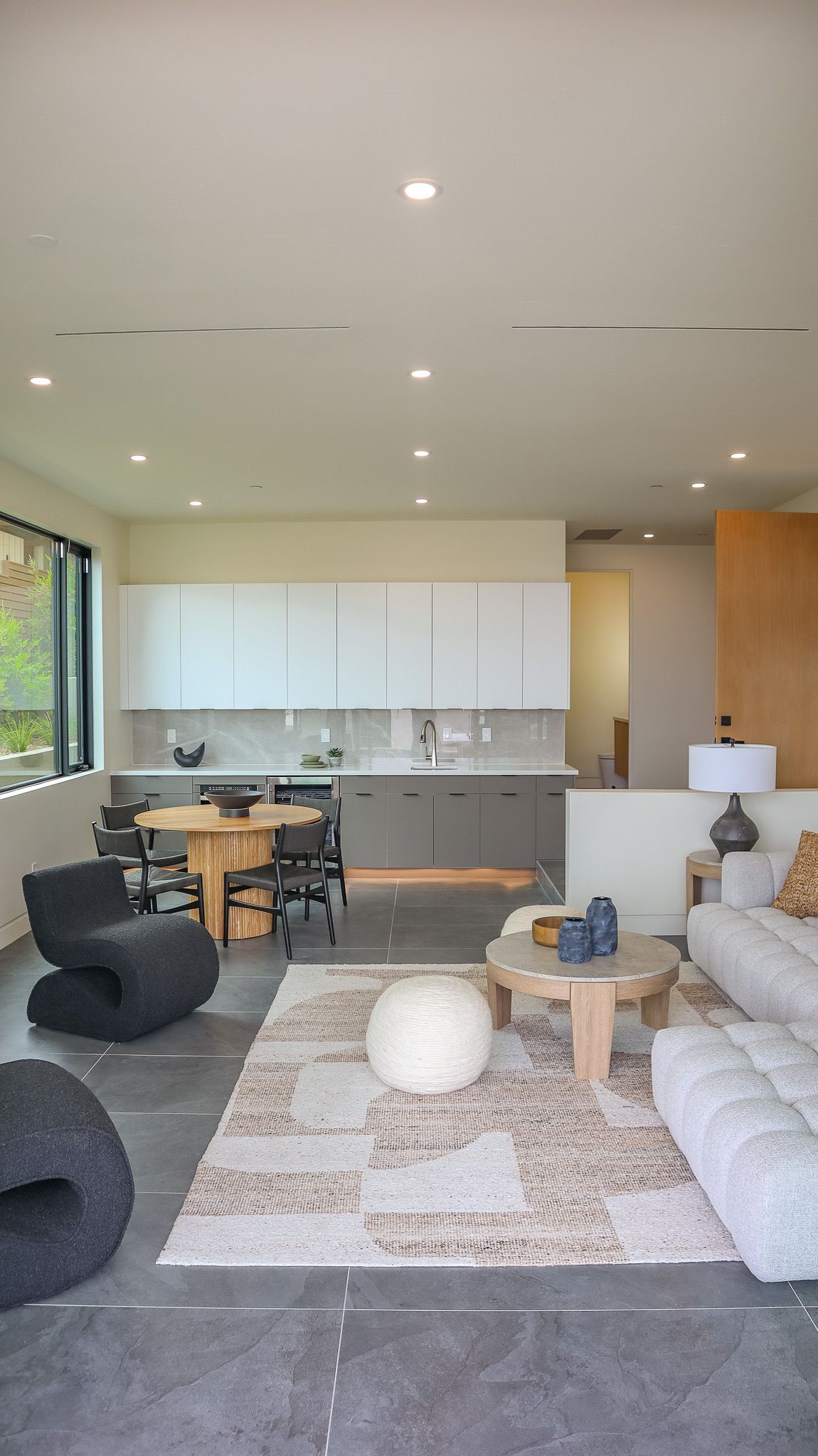
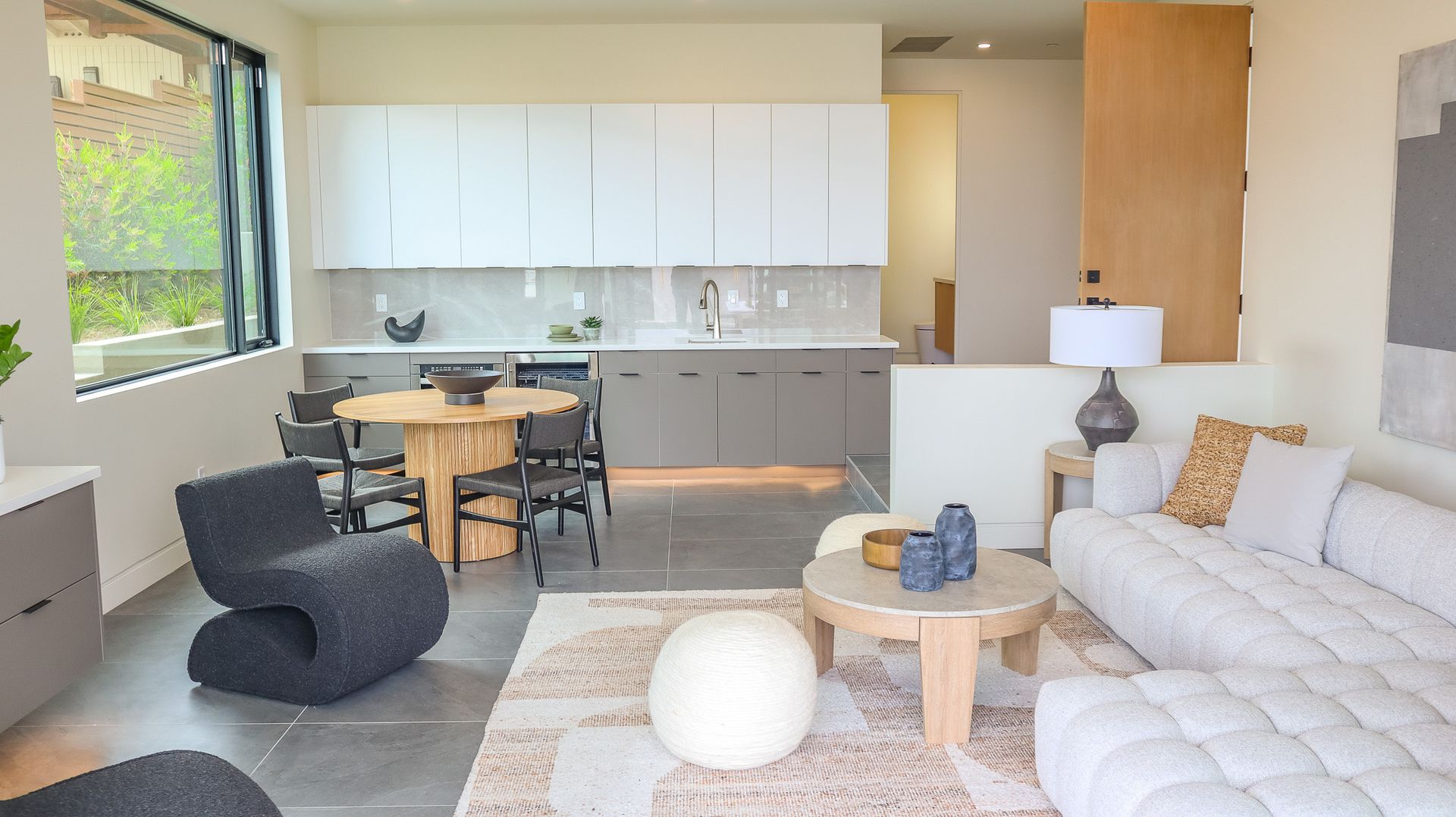
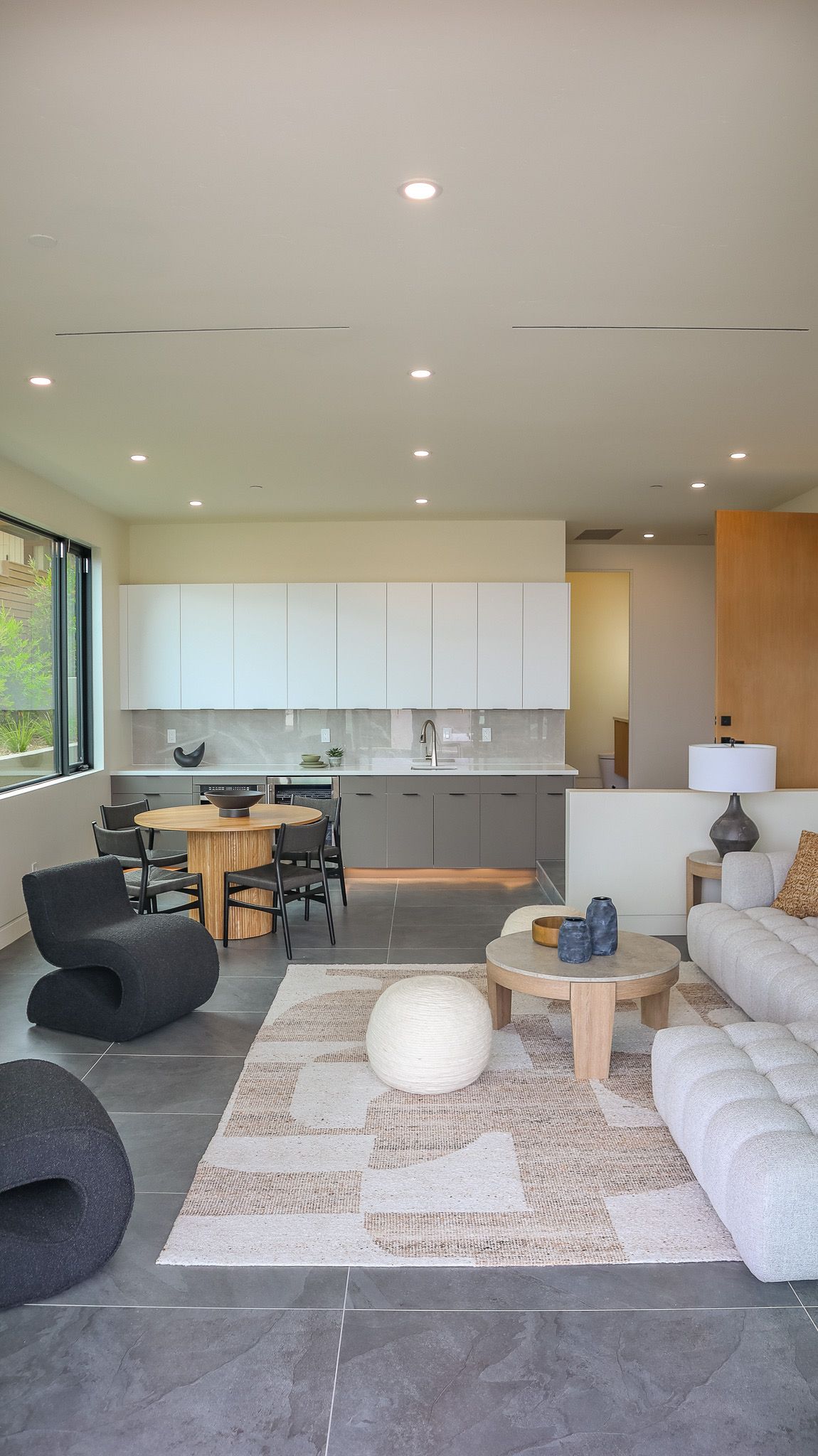
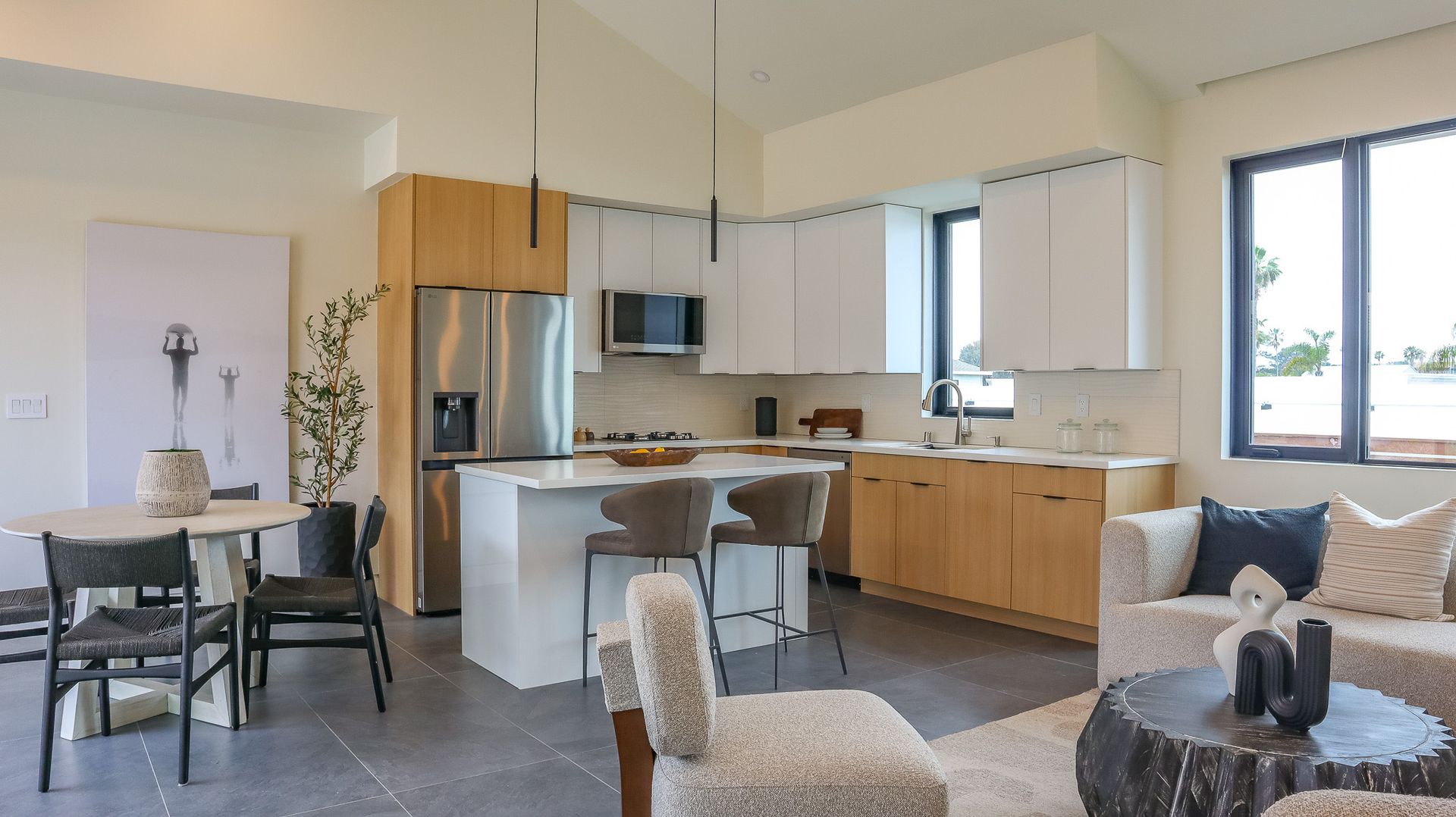
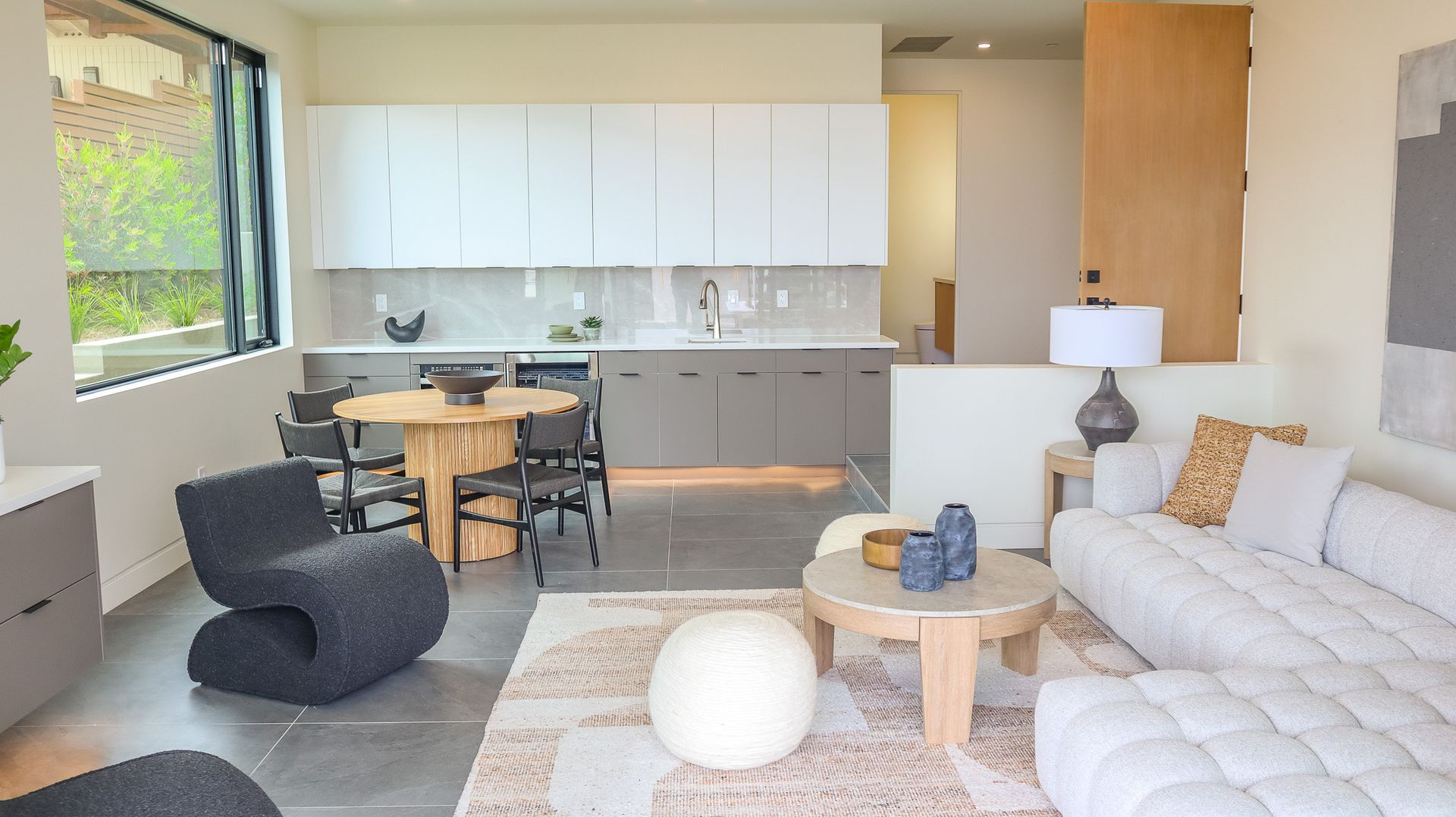
Inside, the core of the home appears to have been organized around open-concept living and light-driven circulation, which is exactly what you want in a coastal property of this scale. Public descriptions tied to these Cambridge homes reference open floor design, natural light, high ceilings, and the use of folding glass doors to connect interior living areas to exterior entertaining zones. Those are not just aesthetic upgrades. They are spatial decisions that change how the home lives day to day. In a well-designed coastal build, the kitchen, dining, and living areas should work as one connected volume without losing definition. You want the house to feel open, but not empty. You want sight lines, but you also want moments of comfort and scale. You want daylight to move through the house in a way that changes with the day. And you want the major rooms to orient themselves toward the best qualities of the site, whether that is an ocean glimpse, a cross-breeze, a covered balcony, or simply the sense of depth created by strong indoor-outdoor connections. This Cambridge project appears to have been planned around that exact lifestyle logic.
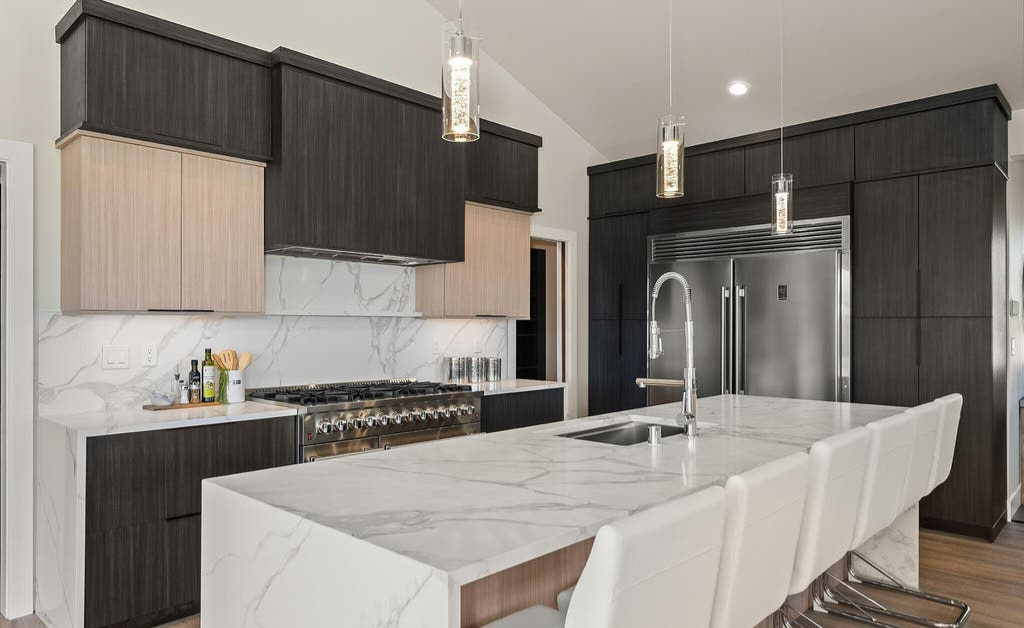
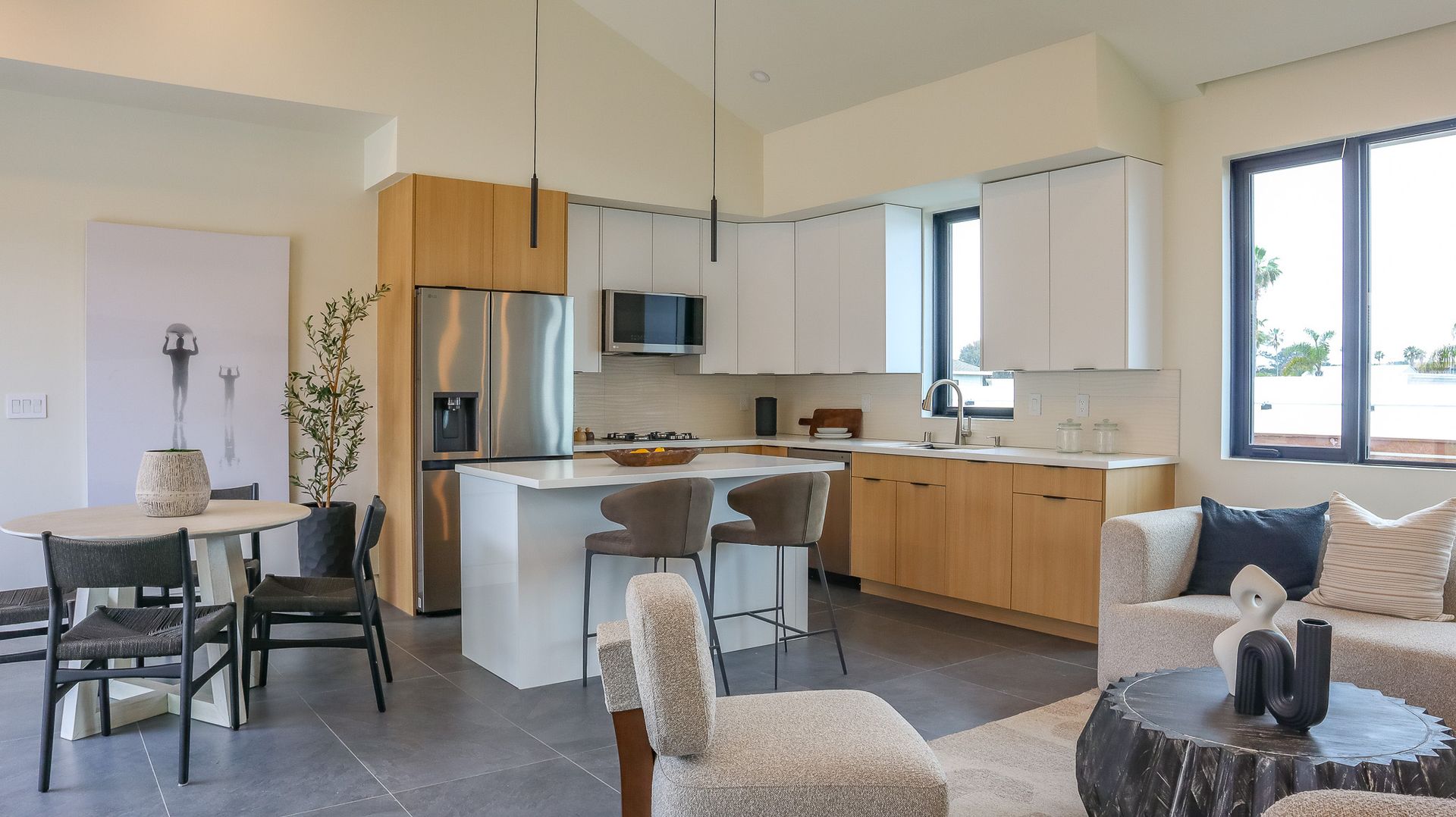
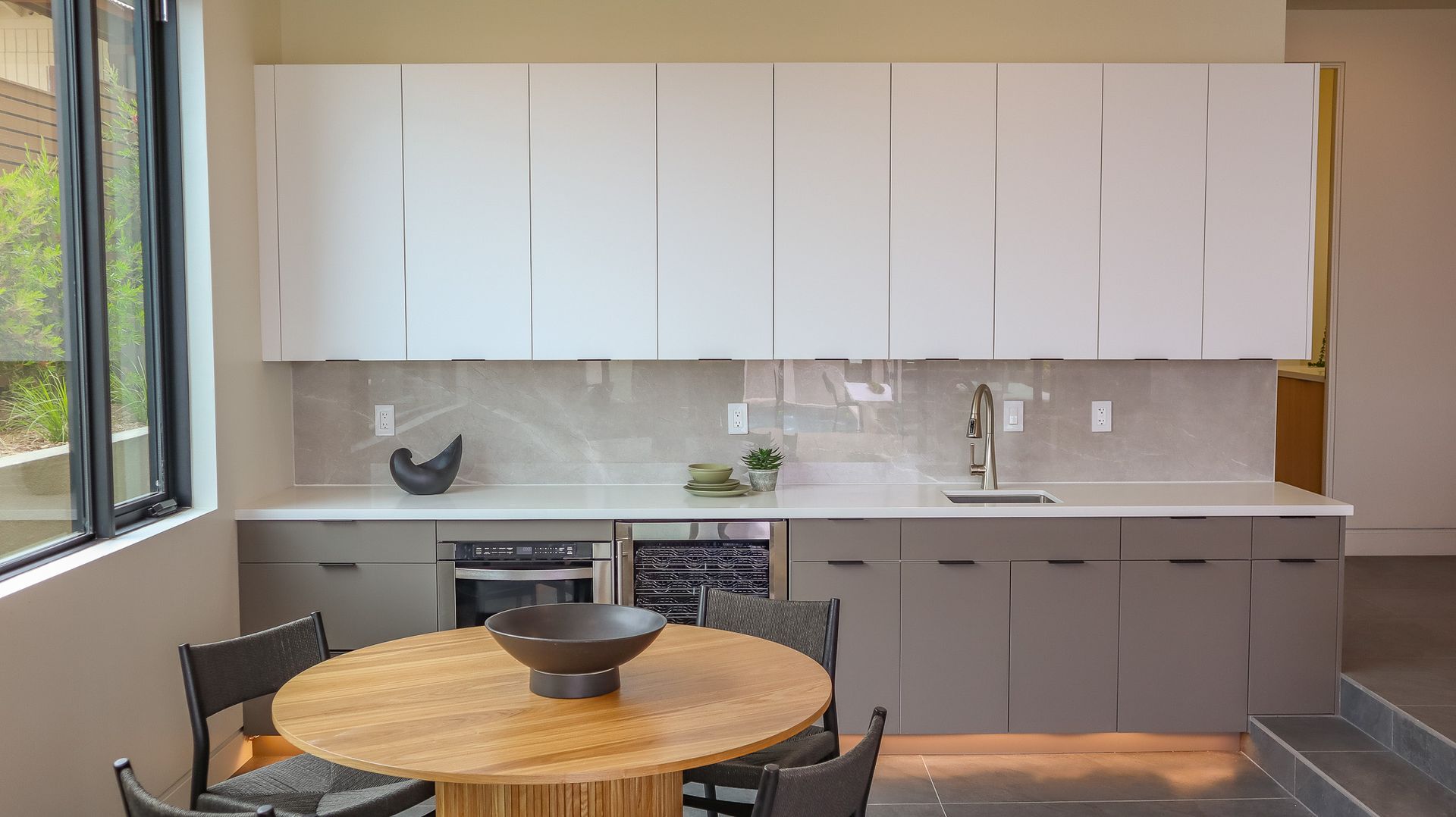
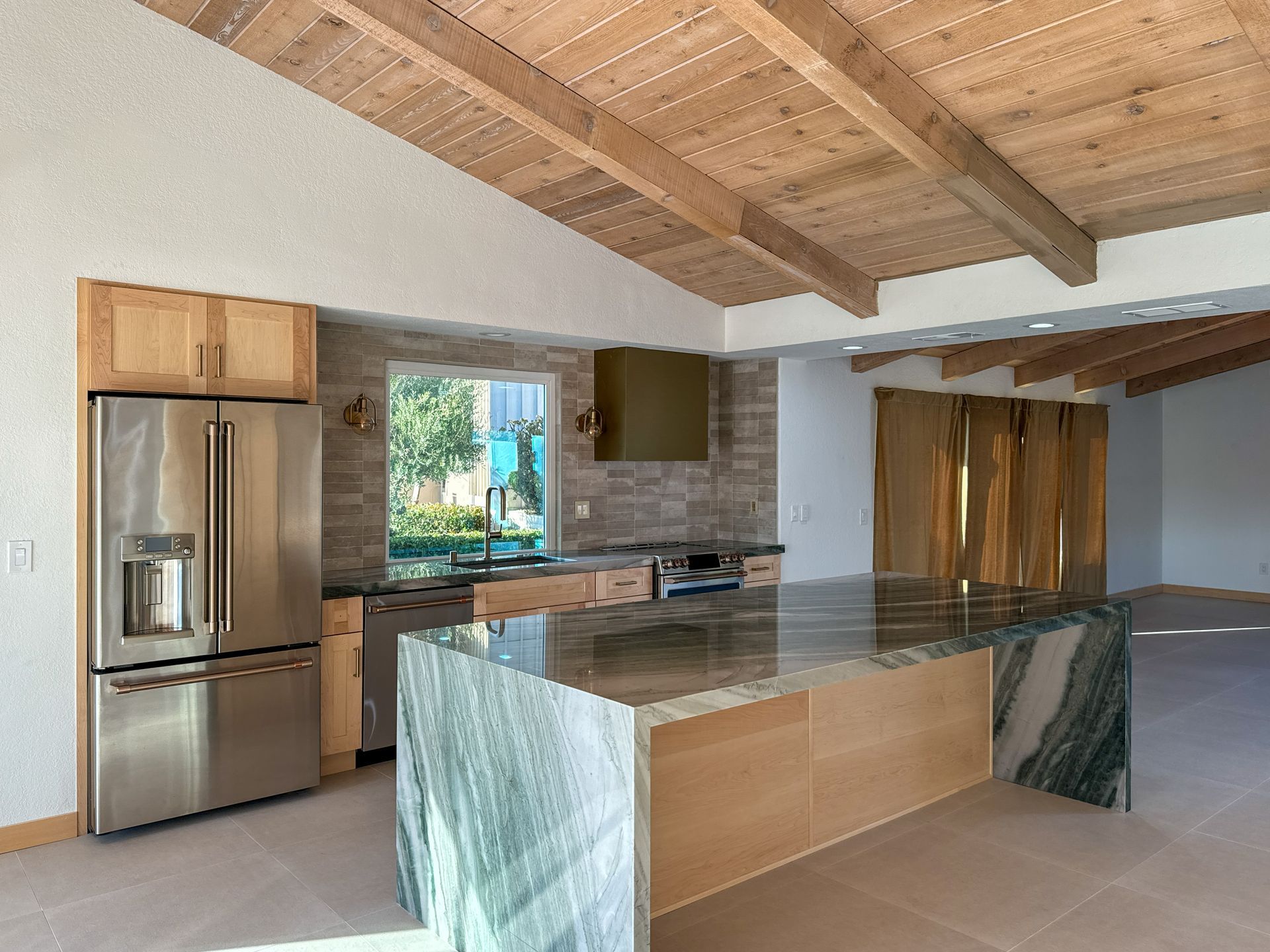
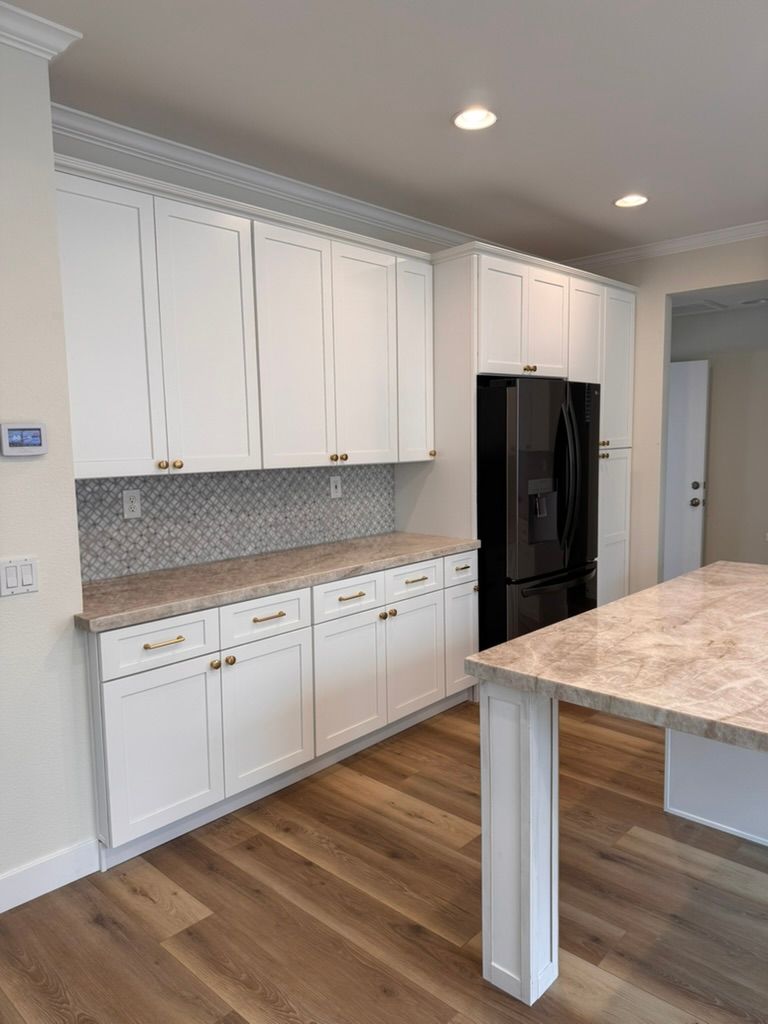
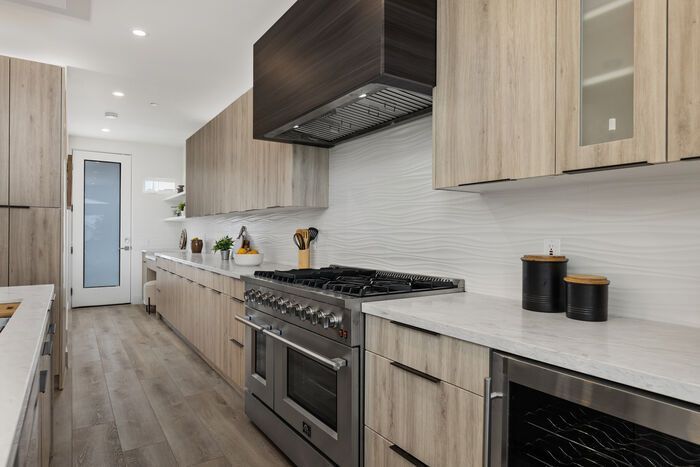
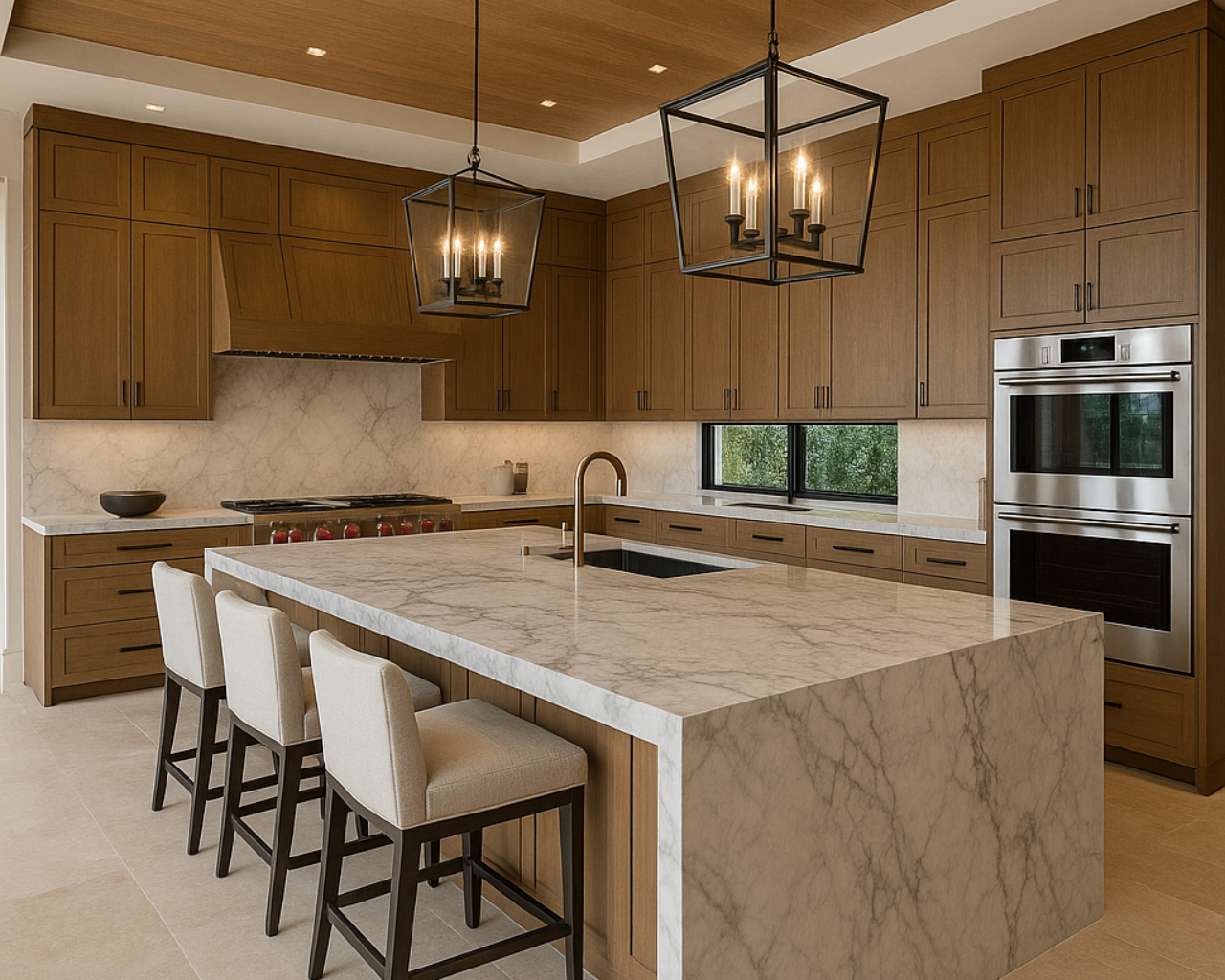
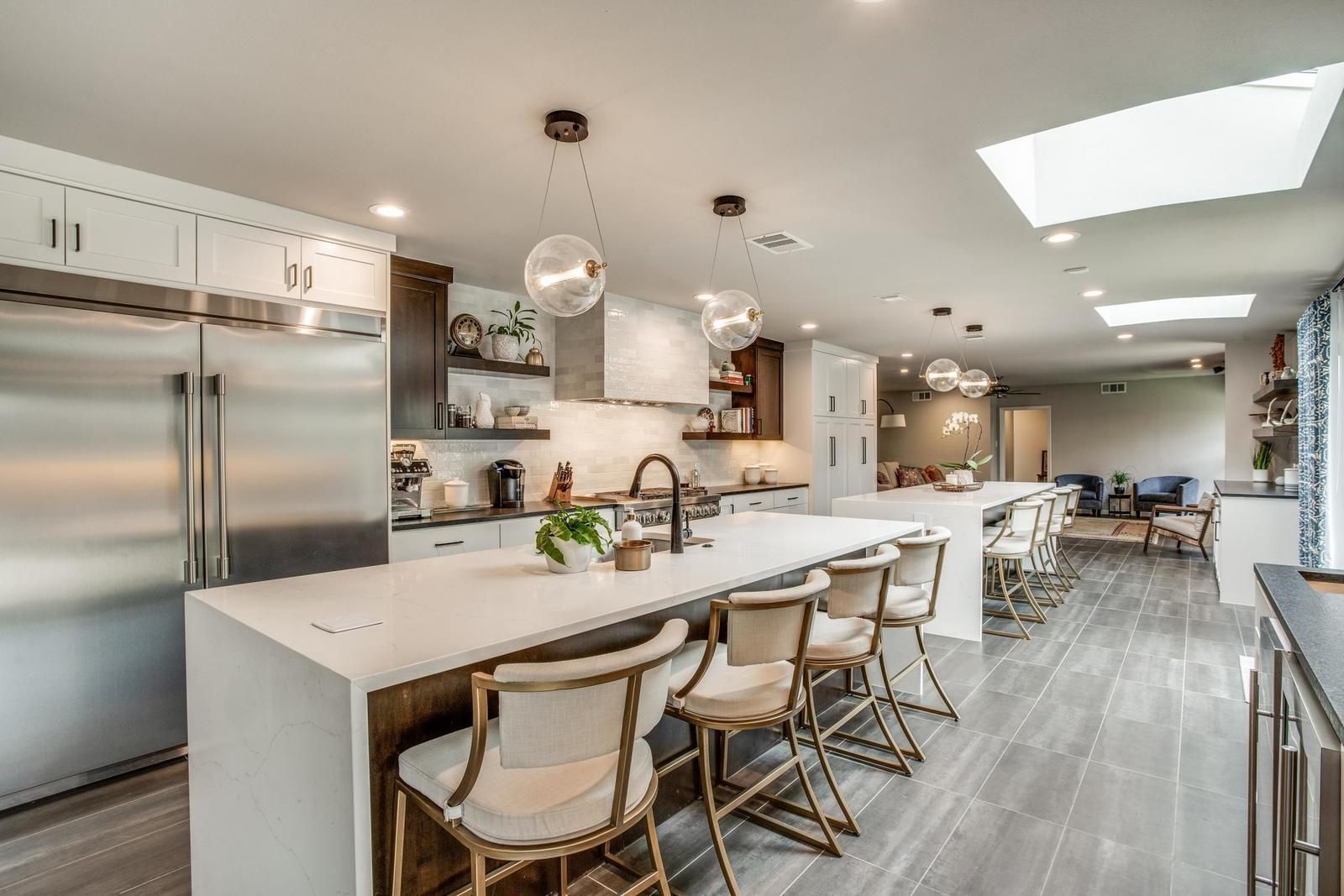
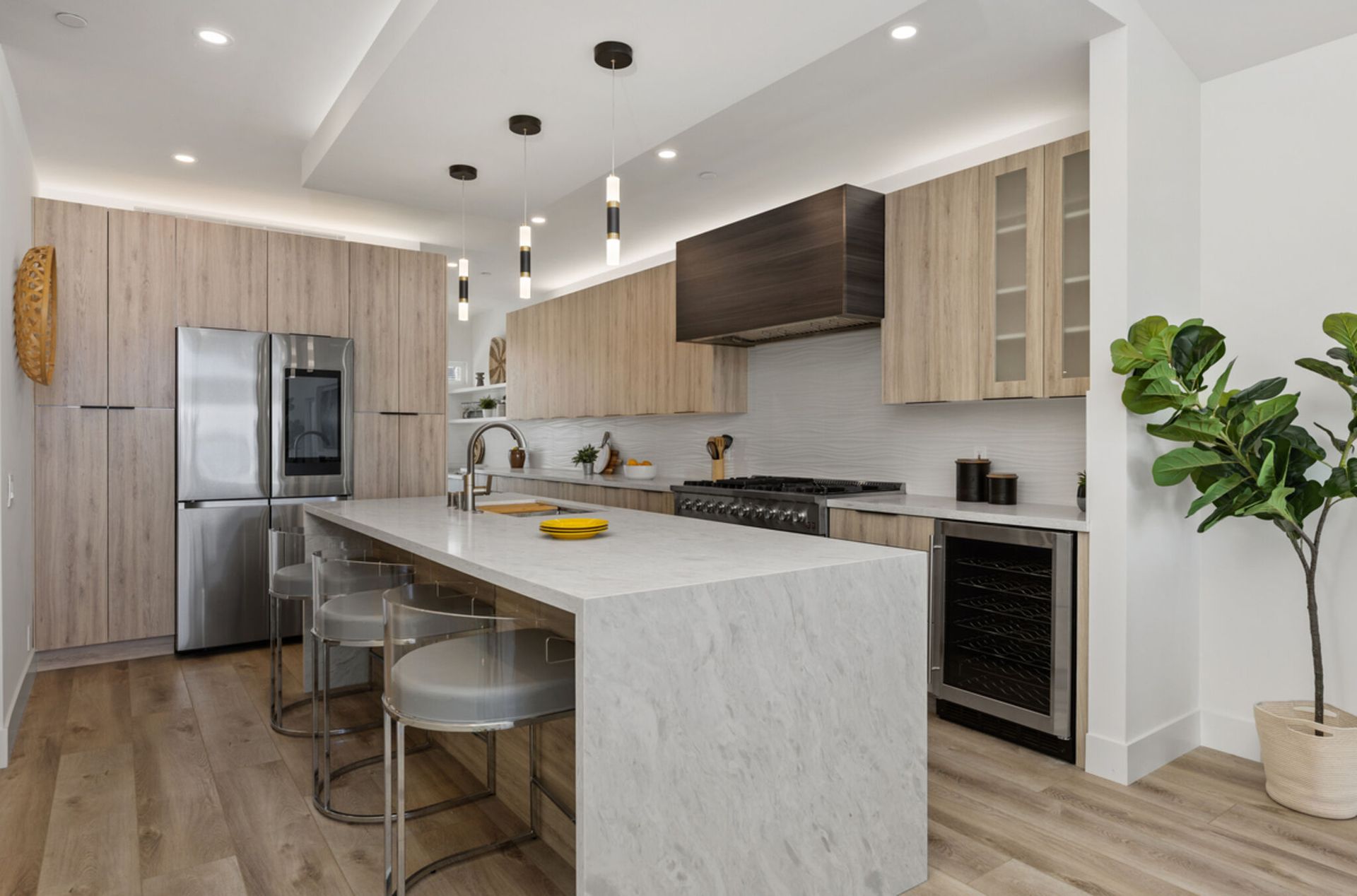
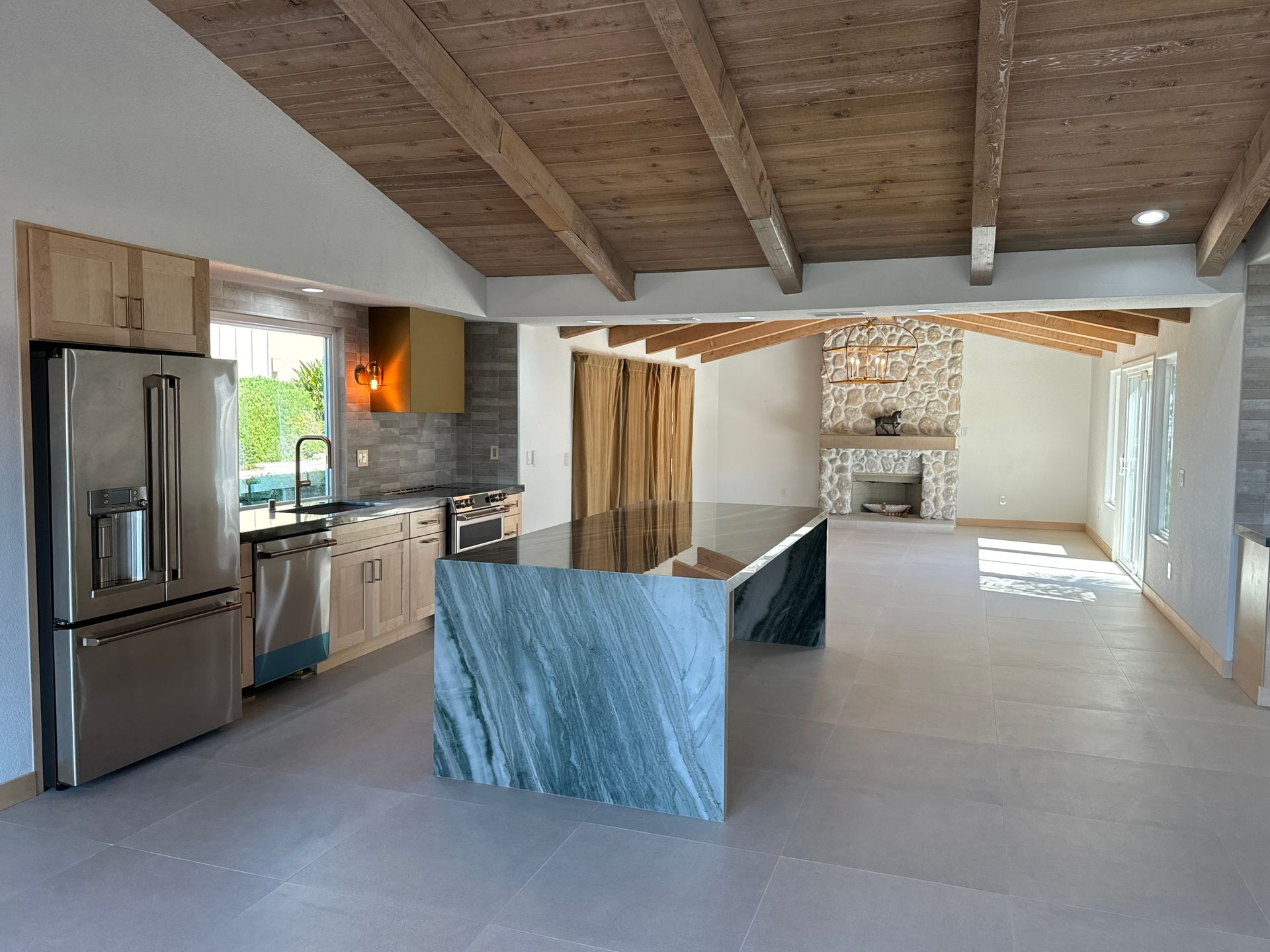
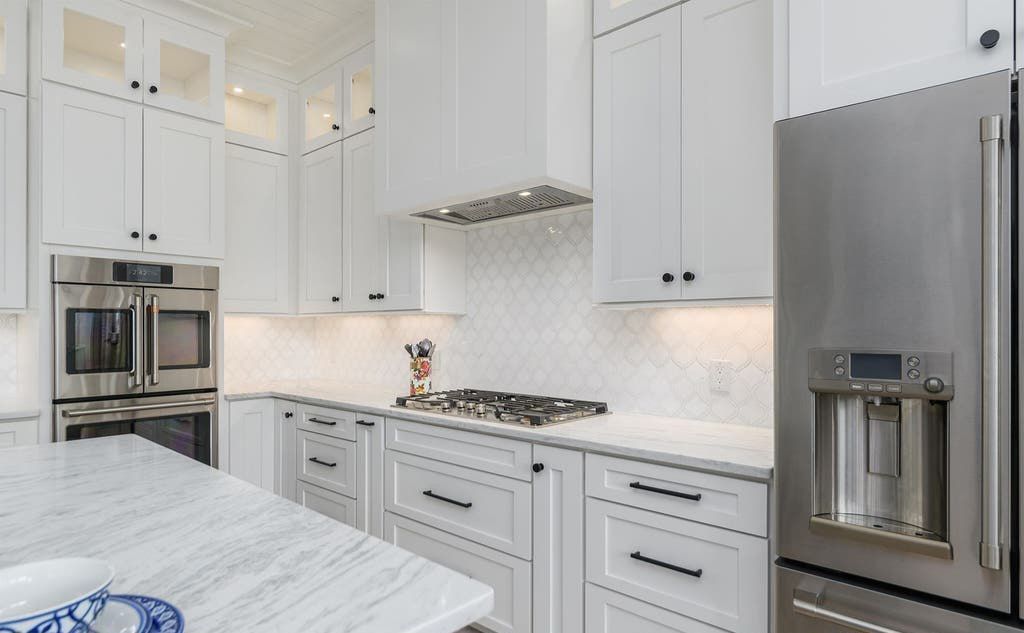
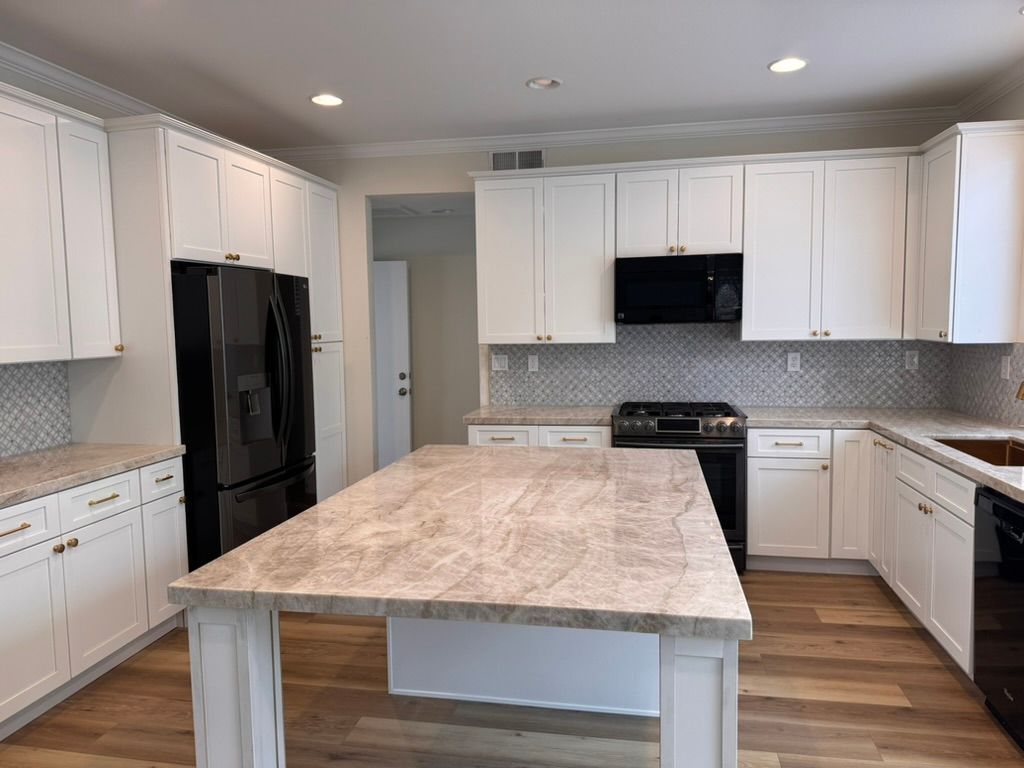
The kitchen package described in public listing material reinforces the same level of intent. One of the Cambridge listings references European-style cabinetry, top-tier appliances, an 8-burner gas cooktop, double range, dishwashers, a walk-in pantry, and architectural LED lighting integrated into the kitchen and family-room areas. That tells you a lot about the project even beyond the appliance count. It suggests the kitchen was treated as a centerpiece rather than a secondary support room. In a project like this, the kitchen is not just where meals happen. It is where people gather, where views are experienced indirectly through the living space, where entertaining starts, and where the whole tone of the house is reinforced through materials, lighting, and cabinetry decisions. A coastal modern kitchen has to balance clean geometry with warmth and function. It should feel precise, but never clinical. It should support everyday living just as well as it supports entertaining. Public listing details for the Cambridge homes suggest that this project understood that balance well.
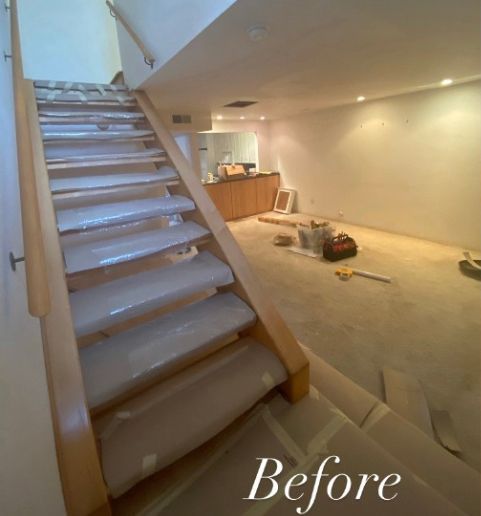
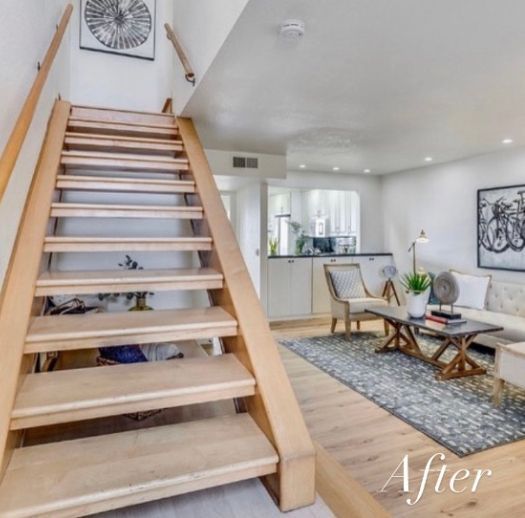
The stair and circulation language is another place where the project seems to separate itself from a standard new build. Public descriptions mention floating stairs with glass railing, which is a very telling design detail. In a smaller or poorly planned house, a stair becomes dead space or visual clutter. In a modern coastal build, it can become an organizing element that adds openness and sculptural clarity without making the house feel too formal. Floating stair construction and glass guard systems visually lighten the interior. They allow light to move farther. They reduce the feeling of blockage in the middle of the floor plan. And they reinforce the broader design language of restraint, precision, and openness. When those elements are paired with high ceilings and a strong interior-exterior relationship, the entire house feels more expansive than its square footage alone would suggest. That kind of interior discipline is one of the marks of a project that was actually thought through rather than assembled from a trend board.
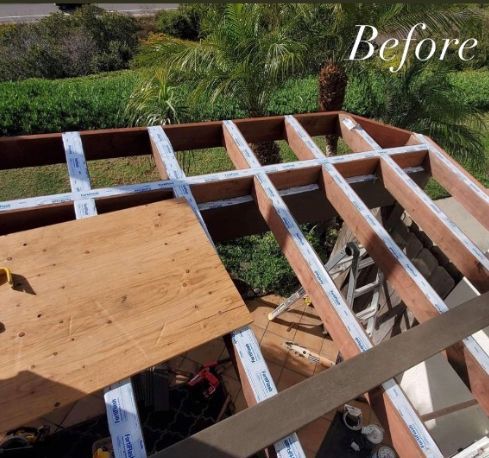
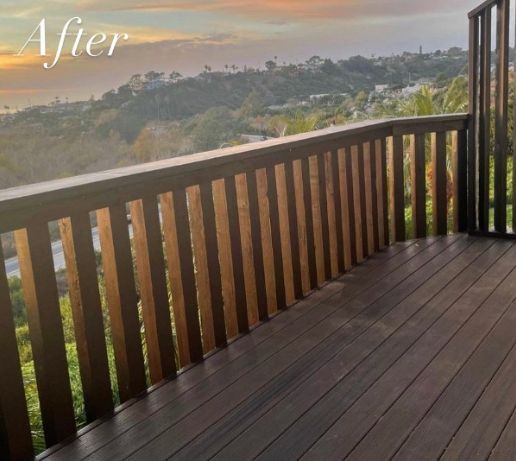
The indoor-outdoor living strategy appears to be one of the defining features of the Cambridge build. Public listing descriptions reference folding glass openings, balconies, outdoor BBQ locations, entertaining areas, and a hotel-like feeling created by the transition from interior living to exterior ocean-view spaces. In Cardiff-by-the-Sea, that matters tremendously. Coastal living loses a lot of its value if the house treats the outdoors as a leftover backyard or a disconnected deck. The best homes in this market use exterior space as part of the plan itself. Balconies are not just add-ons; they become extensions of the living experience. Openings are not only about light; they are about air movement, layering, and a more relaxed daily rhythm. A project like this should be understood not only as a home with outdoor areas, but as a property where the outdoor rooms are part of the architecture. That shift in thinking is what helps a build feel like it truly belongs in a beach-close Cardiff setting.
[IMAGE 5 — LIVING ROOM WITH DOORS OPEN TO BALCONY OR PATIO]
Alt text: Indoor-outdoor living space at Cambridge Ave coastal home build
Caption idea: Folding glass openings and open-plan living help the home operate like a true coastal residence instead of a sealed-off box near the beach.
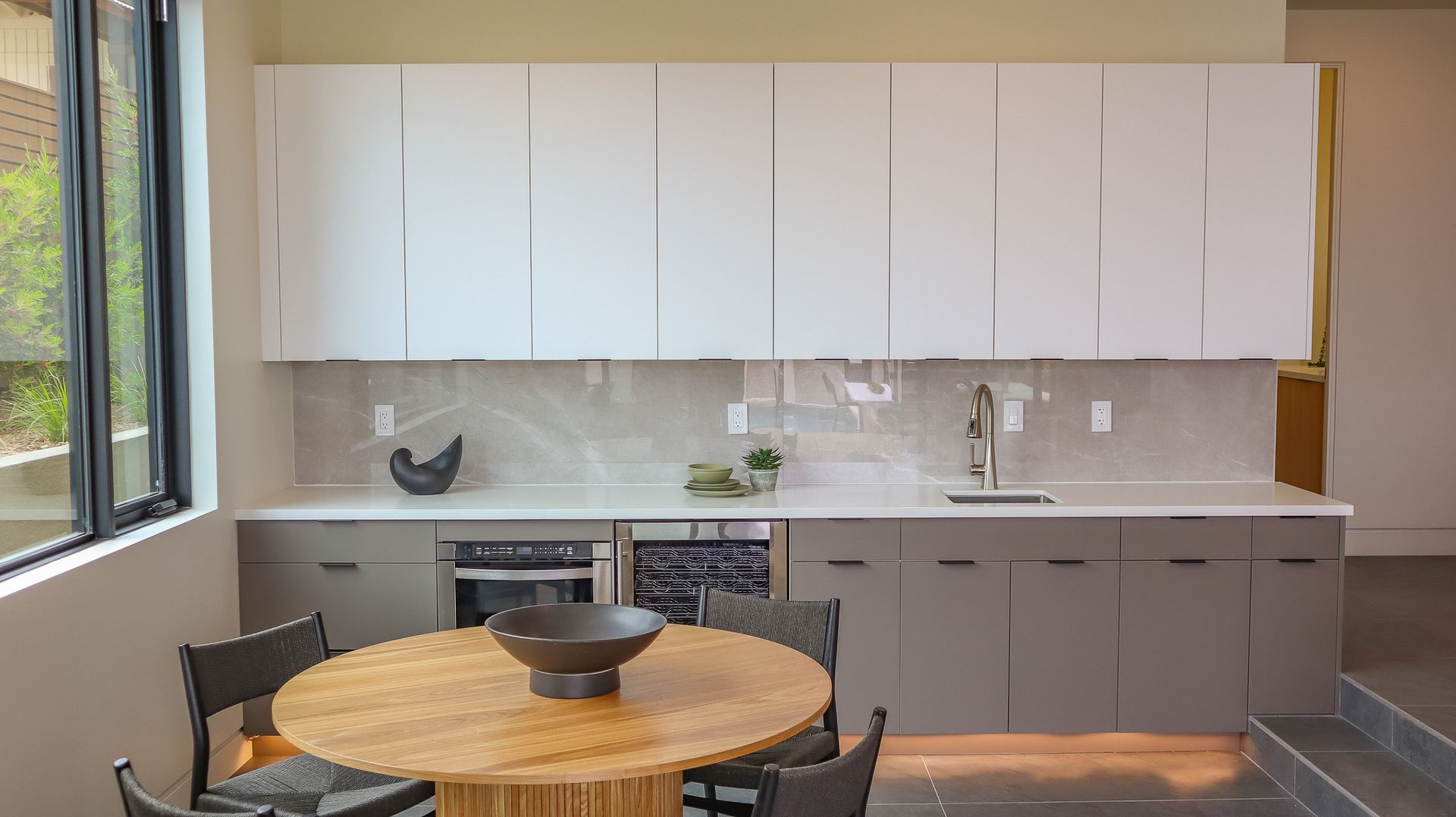
The ADU / guest-space component is one of the project’s most valuable layers, both functionally and architecturally. Public descriptions tied to the Cambridge addresses describe a 1-bedroom / 1-bath ADU or guesthouse with a private entrance, full kitchen, and laundry, with one listing noting that the secondary unit carried its own Cambridge address. That kind of flexibility is powerful in a coastal market. It allows the property to support guests, extended family, home-office needs, live-work patterns, or simply a higher level of privacy for occupants. It also shows that the project was designed with adaptability in mind. Homes that hold value over time are usually the ones that give owners more than one way to use them. In that sense, the Cambridge project is not just a visually appealing coastal build; it is a smarter residential product. It offers the kind of flexibility that high-value buyers increasingly look for, especially in premium beach-close neighborhoods where lifestyle and utility matter just as much as aesthetics.
From a builder’s point of view, a project like this also has to be appreciated for what it likely required behind the scenes. Cardiff-by-the-Sea sits within Encinitas’ broader planning and coastal framework, and the City of Encinitas states that building permits are required for construction and that its Land Development and Building divisions handle zoning, planning review, permitting, and inspections. The city also processes planning and building applications electronically through its Customer Self Service system, and its municipal code states that a coastal development permit is required for development within the Coastal Zone unless exempt. That does not mean every visitor to a project page needs a lesson in entitlement law, but it does matter because it frames what it takes to get a coastal new-construction project from concept to completion in this area. Builds in this environment are not casual. They demand planning discipline, code coordination, design review awareness, and a clear path from drawings to approvals to field execution.
That process matters because a home like this is not won or lost only at the finish stage. It is won or lost in the invisible decisions. On a Cardiff coastal build, you have to think through how the massing sits on the lot, how the openings balance privacy with light, how the exterior envelope performs near the coast, how the balconies and guard systems integrate with the architecture, how secondary units are accessed without compromising the main residence, and how the whole property reads from the street and from within. Even the old public listing for the site hints at the importance of those early-stage decisions by describing the property as a rare builder opportunity with alley access, zoning leverage, and proximity to the beach and neighborhood amenities. A lot of projects can buy expensive finishes. Far fewer can turn a coastal lot into a complete residential solution. That is the part of this Cambridge build that deserves attention.
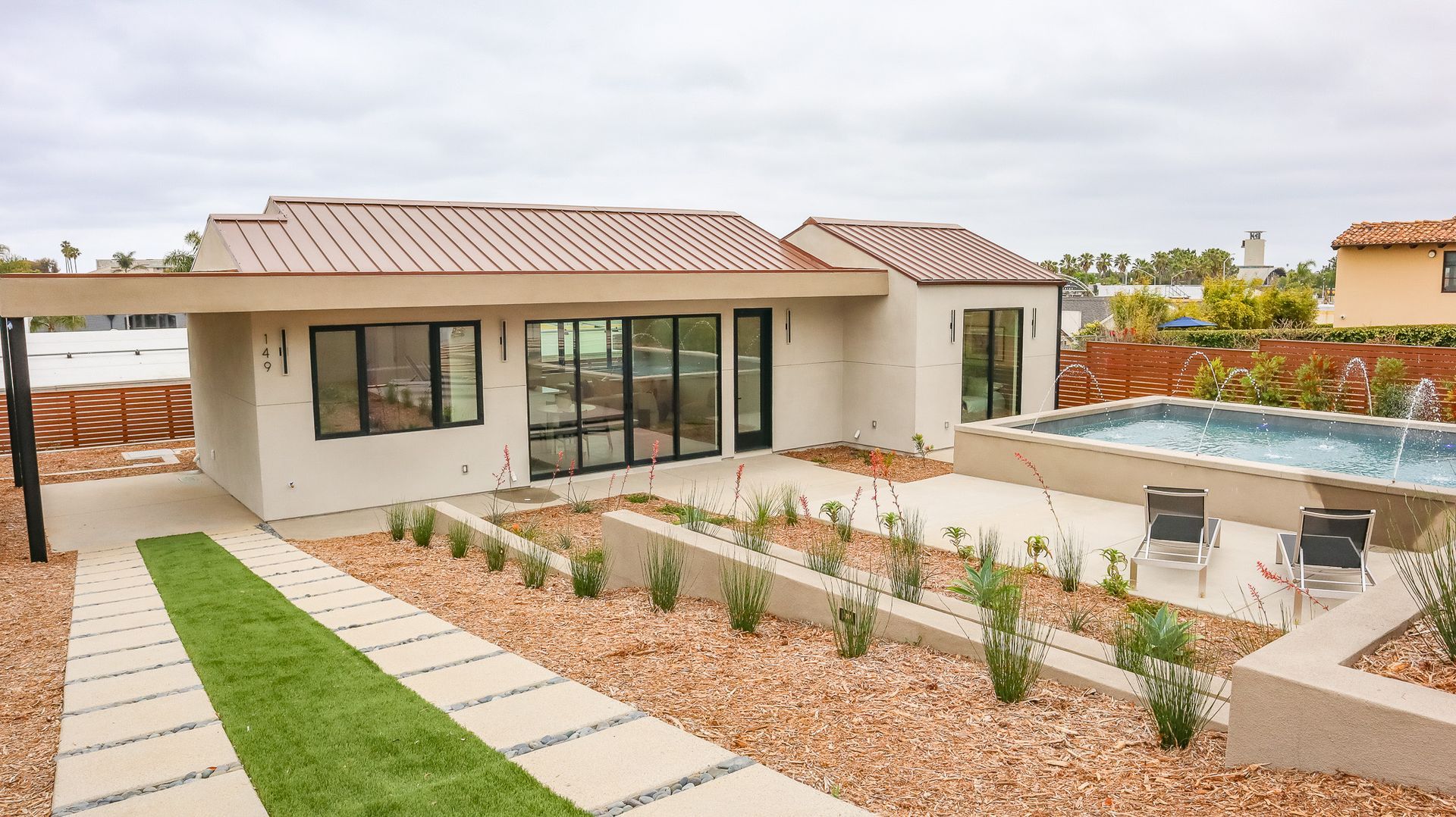
[IMAGE 6 — AERIAL / REAR ELEVATION / BALCONY VIEW]
Alt text: Rear elevation and outdoor living at Cambridge Ave Cardiff project
Caption idea: The success of a coastal build often comes from how well it handles openness, privacy, and connection to the outdoors all at once.
As a projects-page showcase, this build also tells an important story about your work beyond just this one address. It shows capacity for new construction. It shows comfort with design-forward execution. It shows the ability to work in higher-value coastal neighborhoods where details matter and where the margin for bad planning is much smaller. It shows that your work can operate at a level where architecture, development logic, and day-to-day livability all need to support one another. And because public listing descriptions highlight both visual appeal and practical flexibility, the project can speak to multiple kinds of clients at the same time: the design-minded client who wants a beautiful home, the family who wants a house that actually works, the owner who needs flexibility from an ADU or guest space, and the coastal buyer who understands that the experience of the property is just as important as its square footage.
The market performance around these Cambridge addresses reinforces that point. Public records show 1941 Cambridge Ave sold for $3.65 million in June 2023, while 1935 Cambridge Ave later sold for $3.45 million in December 2023. Those numbers are not the whole story, but they do confirm that the finished product landed in the upper tier of the neighborhood’s market. When a paired coastal development of this type sells at those levels, it says something about the alignment between the lot, the design, the build quality, and the local buyer profile. In a high-value coastal pocket like Cardiff, buyers are quick to recognize when a project feels incomplete, awkwardly planned, or too speculative. They also recognize when a property has been developed into something coherent and livable. The sales trajectory of these homes supports the idea that the Cambridge project delivered a product the market understood and valued.
Another reason this project deserves a deep write-up is that it bridges two worlds that do not always come together successfully: development logic and residential warmth. Plenty of projects are strong as real-estate math but weak as homes. Others are visually pleasing but do not use the site intelligently. The Cambridge build appears to do both. The old site history suggests the property was recognized for its development potential years before the finished homes existed. The final listing language, on the other hand, centers on a very livable experience: light, views, openness, a strong kitchen, indoor-outdoor entertaining, and a meaningful secondary dwelling component. That combination is what makes a project like this more than just a pretty exterior or a good investment move. It becomes the kind of property that genuinely feels complete. And for a Projects page, that is exactly the kind of story worth telling.
From a design-and-build perspective, it is also worth emphasizing how much restraint likely went into making the project look effortless. Coastal modern work is often harder than it appears because there is less room to hide behind complexity. The cleaner the architecture, the more every line matters. The simpler the material palette, the more proportion matters. The more open the plan, the more every transition matters. A stair detail, a railing line, a balcony edge, a cabinet reveal, a ceiling plane, a lighting strip, a folding glass threshold—none of those can feel accidental in a house like this. Public descriptions of the Cambridge addresses point to precisely those kinds of details: floating stairs, glass railings, architectural lighting, high-end kitchen planning, and folding doors that make the whole entertaining side of the home feel elevated. That is the difference between a house that is merely new and a house that feels genuinely designed.
[IMAGE 7 — STAIR / GLASS RAIL / ARCHITECTURAL DETAIL]
Alt text: Floating stair and glass railing detail in Cambridge Ave coastal home
Caption idea: In modern coastal construction, the smallest transitions often do the most work. Precision is what makes the openness feel calm instead of unfinished.
This project also benefits from its relationship to the Cardiff lifestyle itself. Redfin’s public information for 1935 Cambridge describes the area as very walkable, and the older land listing tied to the site emphasized beach proximity, shops, Encinitas Community Park, and the Walking District context. That is not just neighborhood filler. It is part of the design brief. A home in this part of Cardiff should reflect how people actually live here. They leave for the beach. They walk to coffee. They come home salty and sunburned. They host friends casually. They need privacy, but not isolation. They want elevated finishes, but not fussy rooms. They want a house that feels impressive and relaxed at the same time. That coastal balance is hard to achieve, but the Cambridge project appears to have been built with that exact type of lifestyle in mind. Its open living core, ocean-view orientation, balcony and entertaining features, and flexible ADU setup all reinforce that reading.
There is also a quiet confidence in the way the project can be positioned. It does not need inflated language to sound important. The facts are already strong. It sits on Cambridge in Cardiff-by-the-Sea. Public records tie it to a roughly 5,000-square-foot combined paired development across two 2023-built homes. The site’s earlier sale history points to its value as a development opportunity in a beach-close, walkable district. The finished listings describe ocean views, open-concept planning, ADU flexibility, strong kitchen design, architectural lighting, floating stairs, and folding glass openings that connect the interiors to outdoor entertaining. The sales prices confirm that the final product was recognized at a high level in the market. That is enough. The right way to present this project is not by overselling it, but by showing exactly what it is: a thoughtful, modern coastal build that made full use of a rare Cardiff opportunity.
For your main page, this project should ultimately communicate one clear message:
you do more than remodel rooms—you shape full living environments. The Cambridge Ave build is a strong example of that. It shows how lot strategy, entitlement awareness, architecture, interior planning, secondary-unit flexibility, and finish execution all come together in one project. It shows that modern coastal work can be bold without being loud. It shows that a property can be developed for value without losing warmth. And it shows that when a project is handled correctly from the beginning, the result feels natural, complete, and right for its setting. In a market like Cardiff-by-the-Sea, that is exactly the outcome that matters.
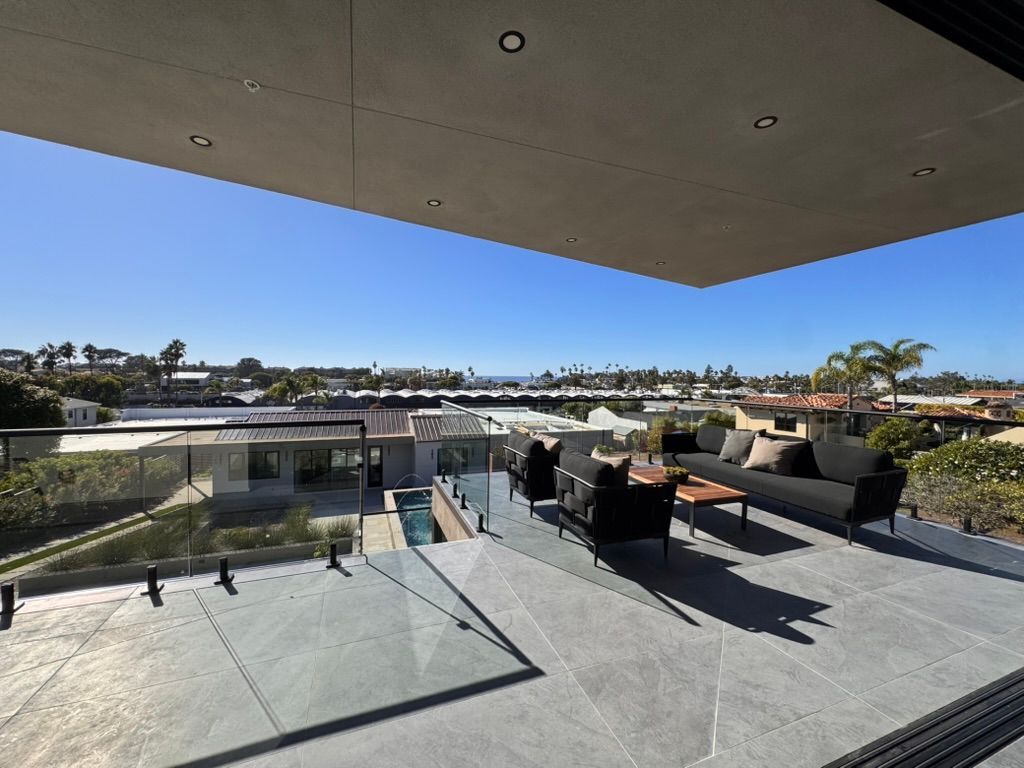
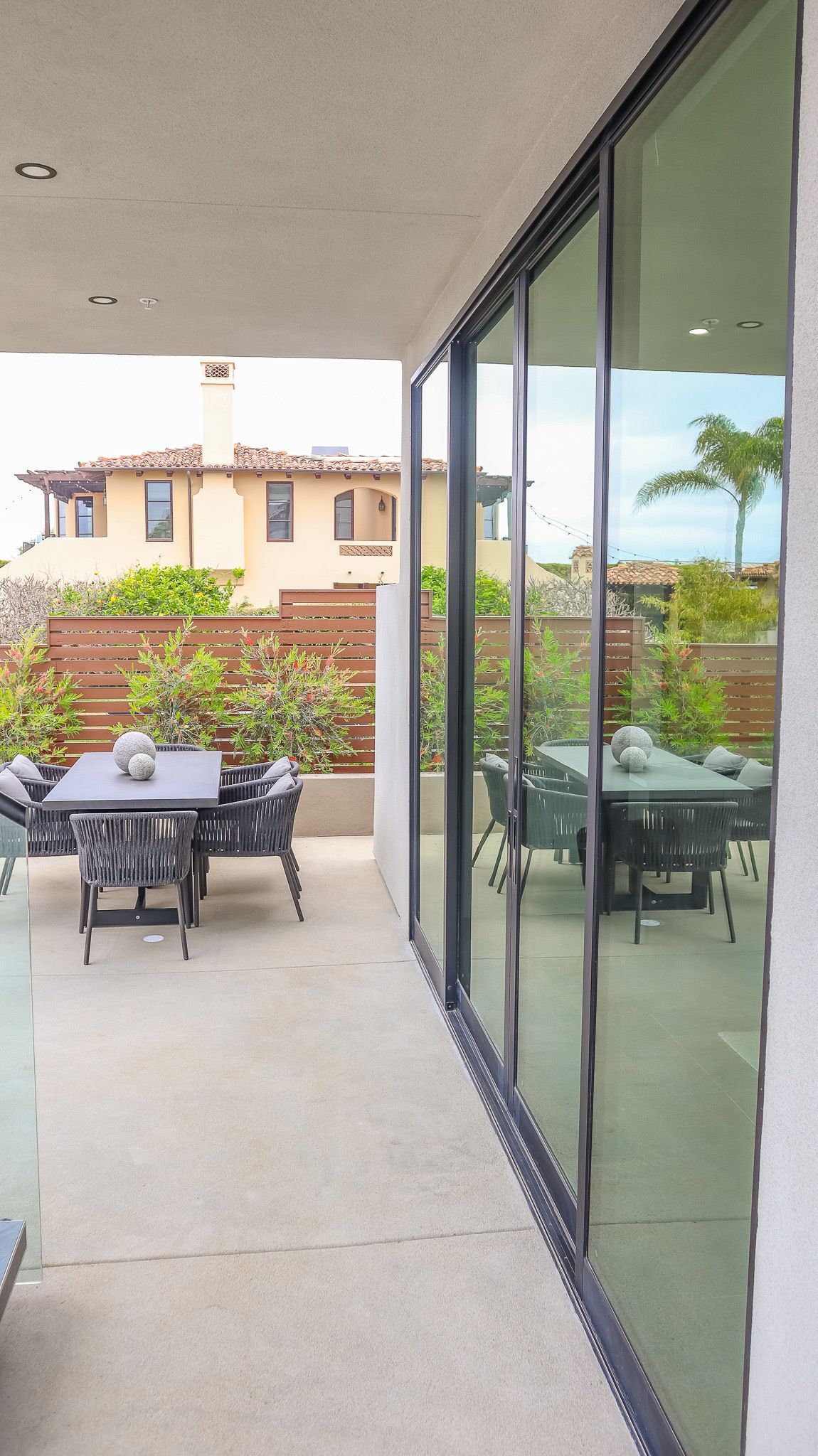
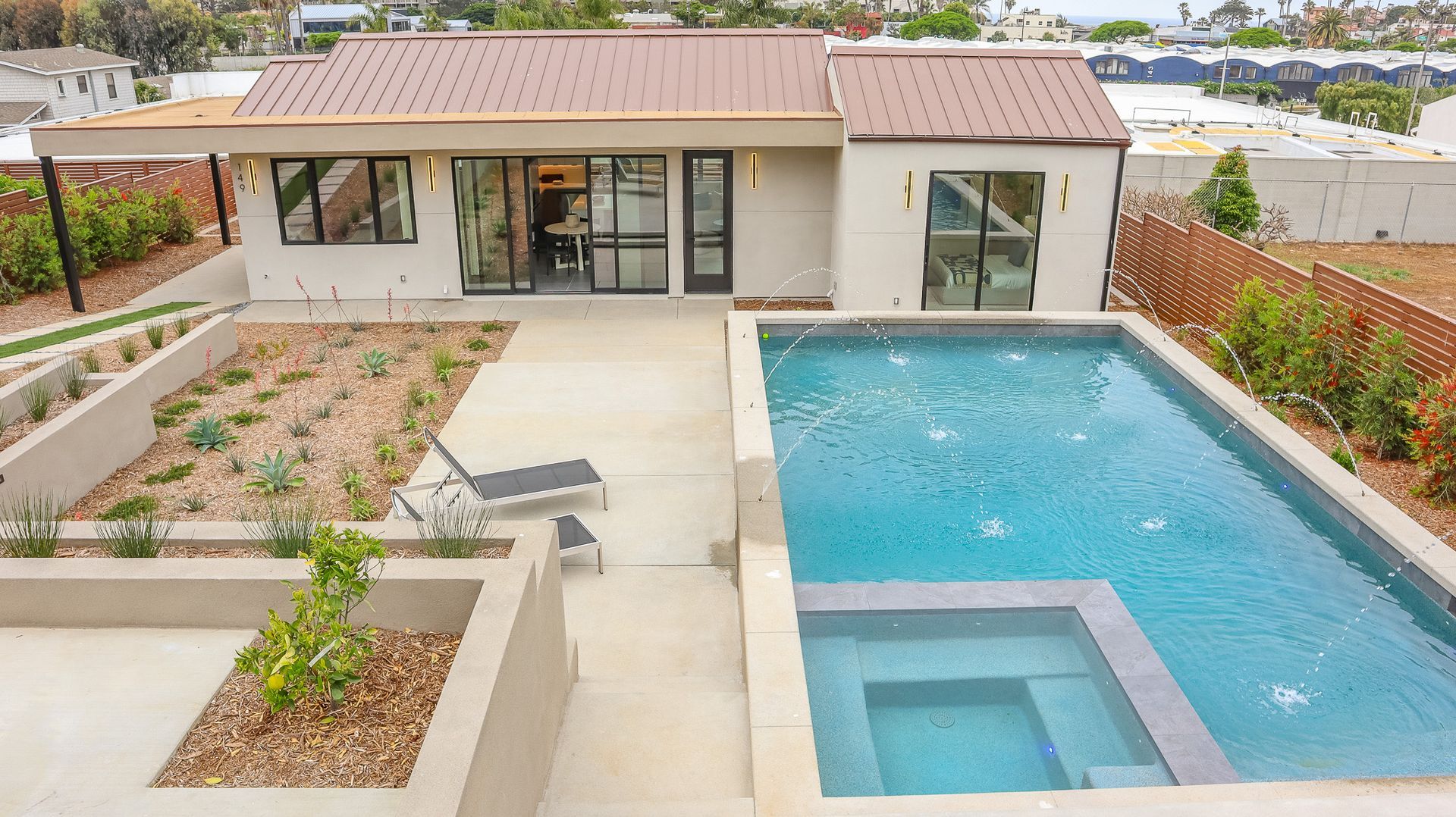
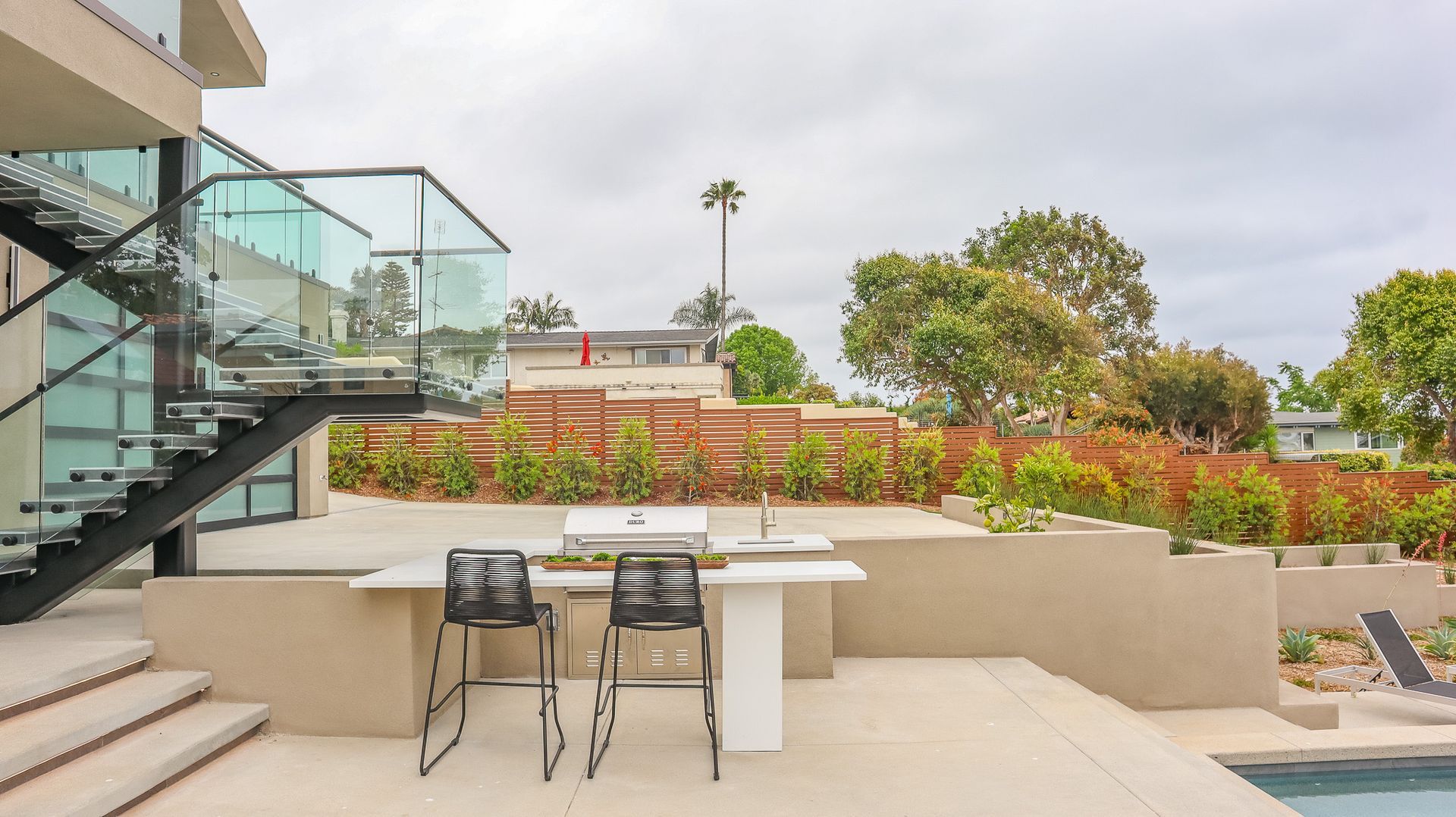
This home was designed around one core idea:
The outside should feel like part of the inside.
- Large sliding glass openings
- Natural light throughout the day
- Flow from kitchen → living → outdoor space
- Clean transitions with minimal visual barriers
This is what separates a standard build from a high-end coastal home.
Challenges & Solutions
Every custom home has challenges — especially near the coast.
Challenges
- Coastal moisture and material durability
- Structural alignment with modern design elements
- Maintaining timeline with multiple moving parts
Solutions
- Selected materials designed for coastal longevity
- Tight coordination with architectural plans
- On-site decision-making to prevent delays
Why This Project Matters
This build represents what Cali Dream Construction is about:
- Not just building homes — building a vision
- Turning architectural plans into real-world execution
- Delivering projects that feel high-end without unnecessary complexity
Thinking About Building in Solana Beach?
If you’re considering a custom home build, remodel, or ADU in Solana Beach or surrounding areas, the biggest difference comes down to execution — not just design.
Most projects fail in:
- Coordination
- Speed
- Real-world problem solving
That’s where we come in.
Work With Cali Dream Construction
We handle:
- Custom home builds
- Full home remodels
- ADUs & additions
- Kitchen & bathroom renovations
- Indoor-outdoor transformations
📞 Call or Text: 858-434-7166
📍 Serving: Solana Beach, Encinitas, Del Mar, Rancho Santa Fe, Carlsbad, San Diego & surrounding areas
📄 License #: 1054602

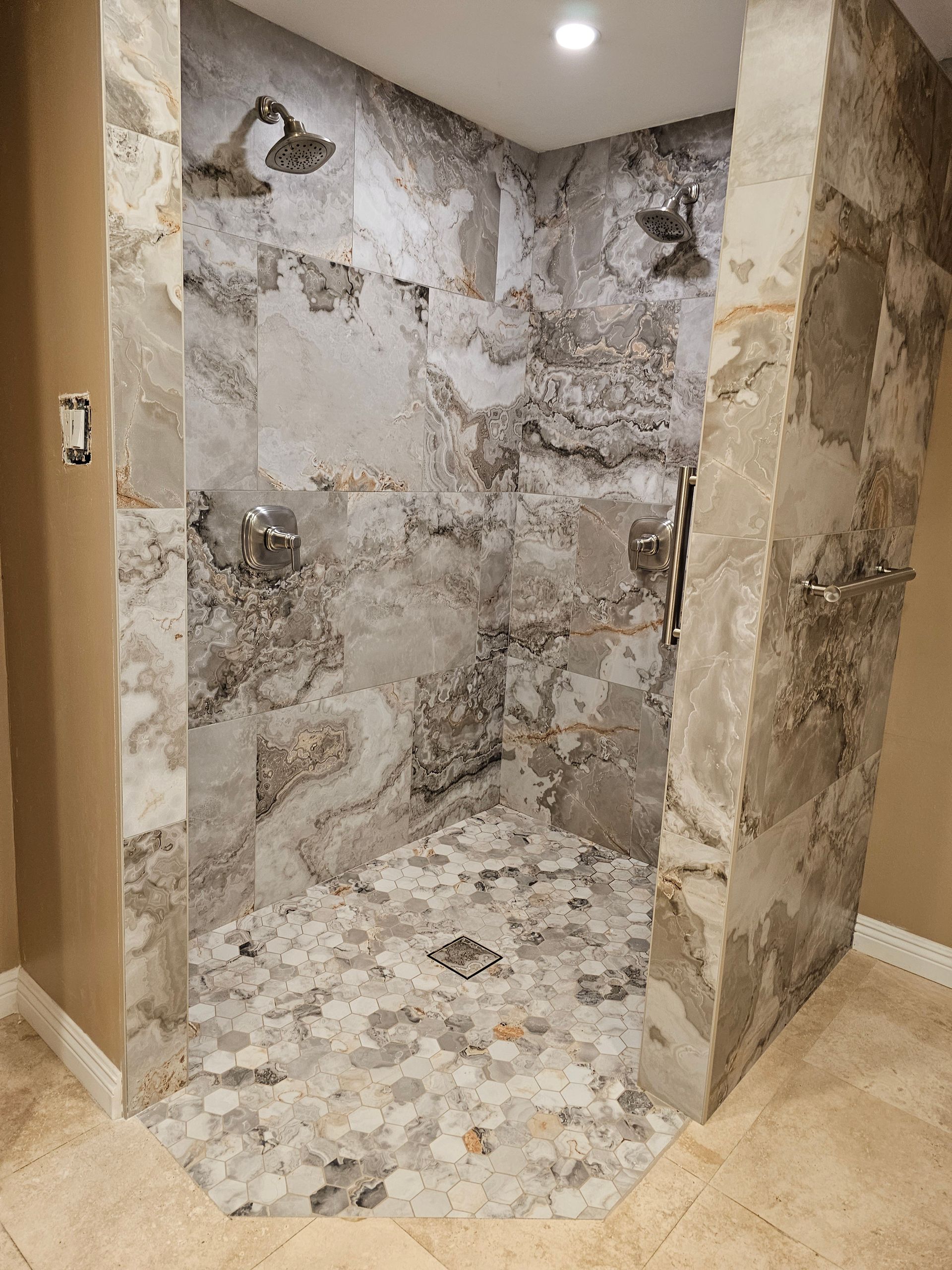
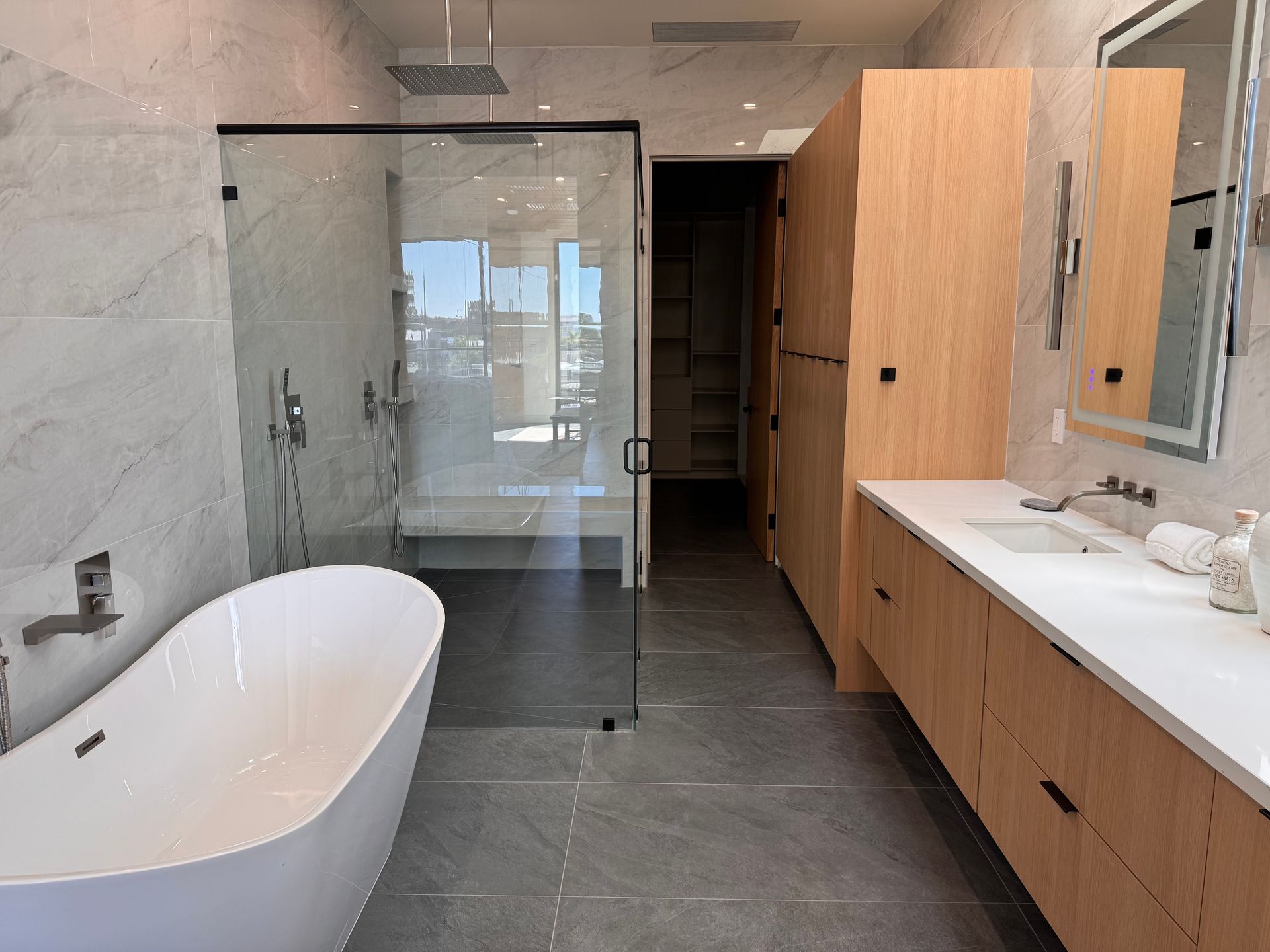
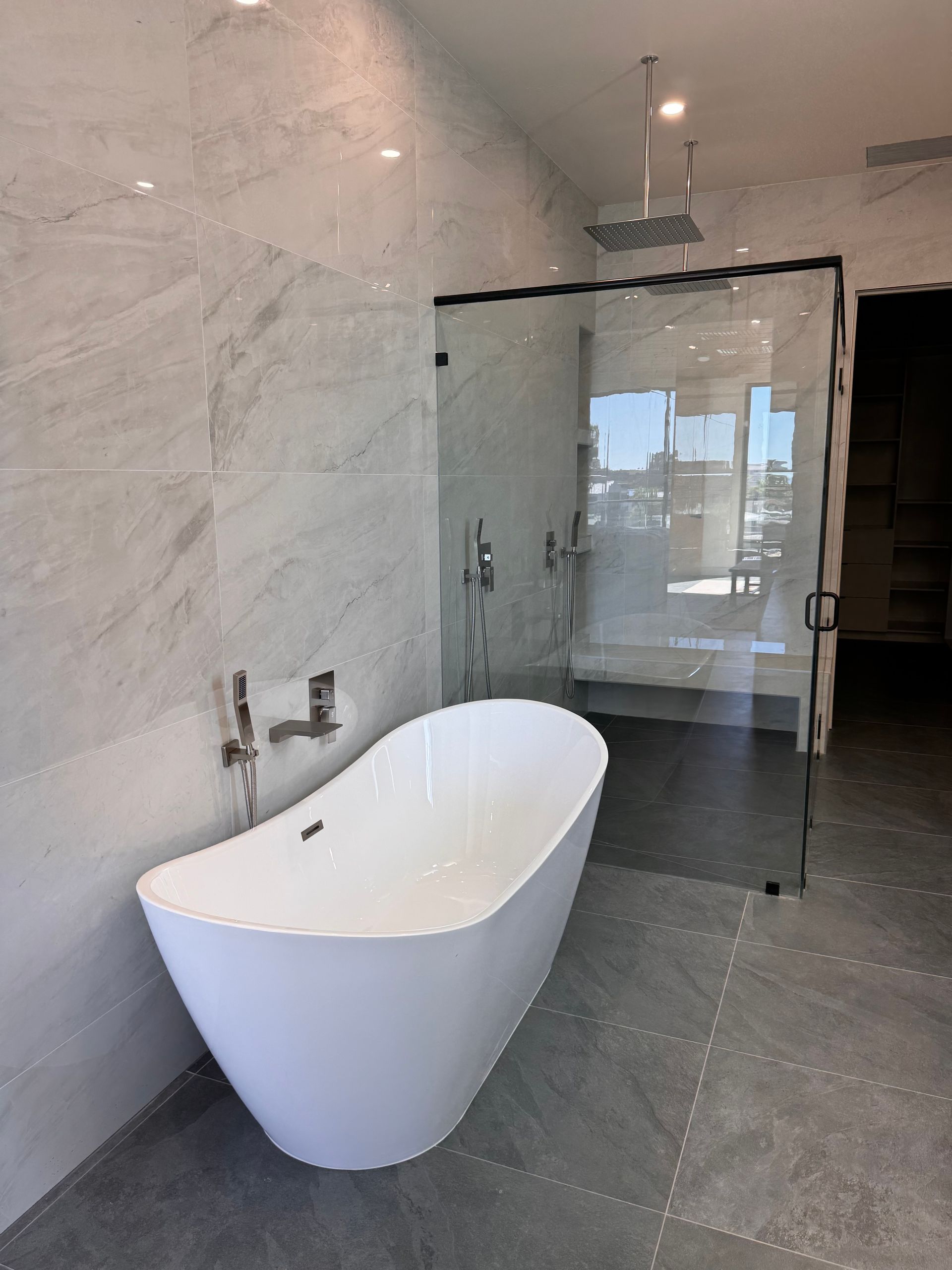
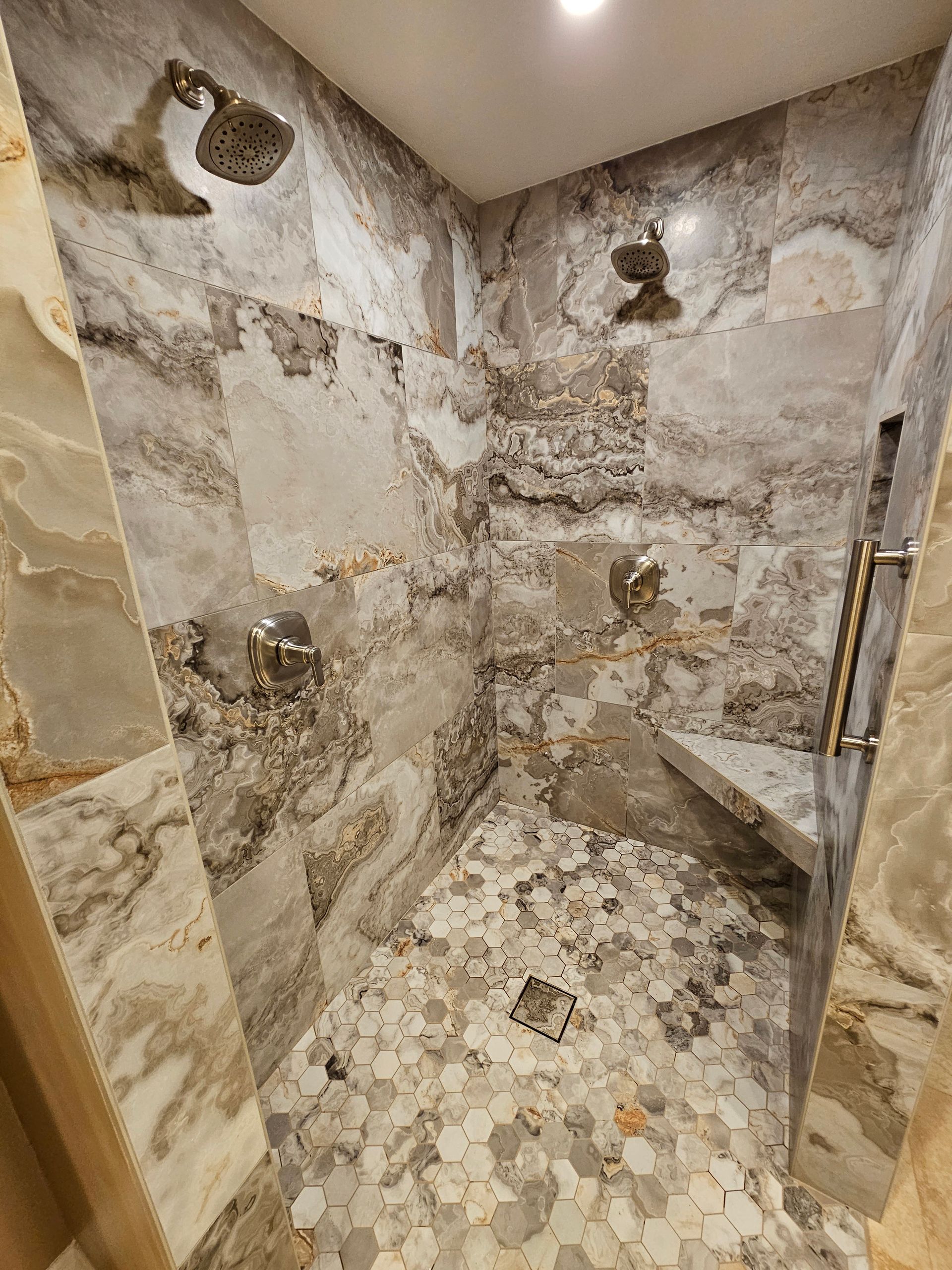
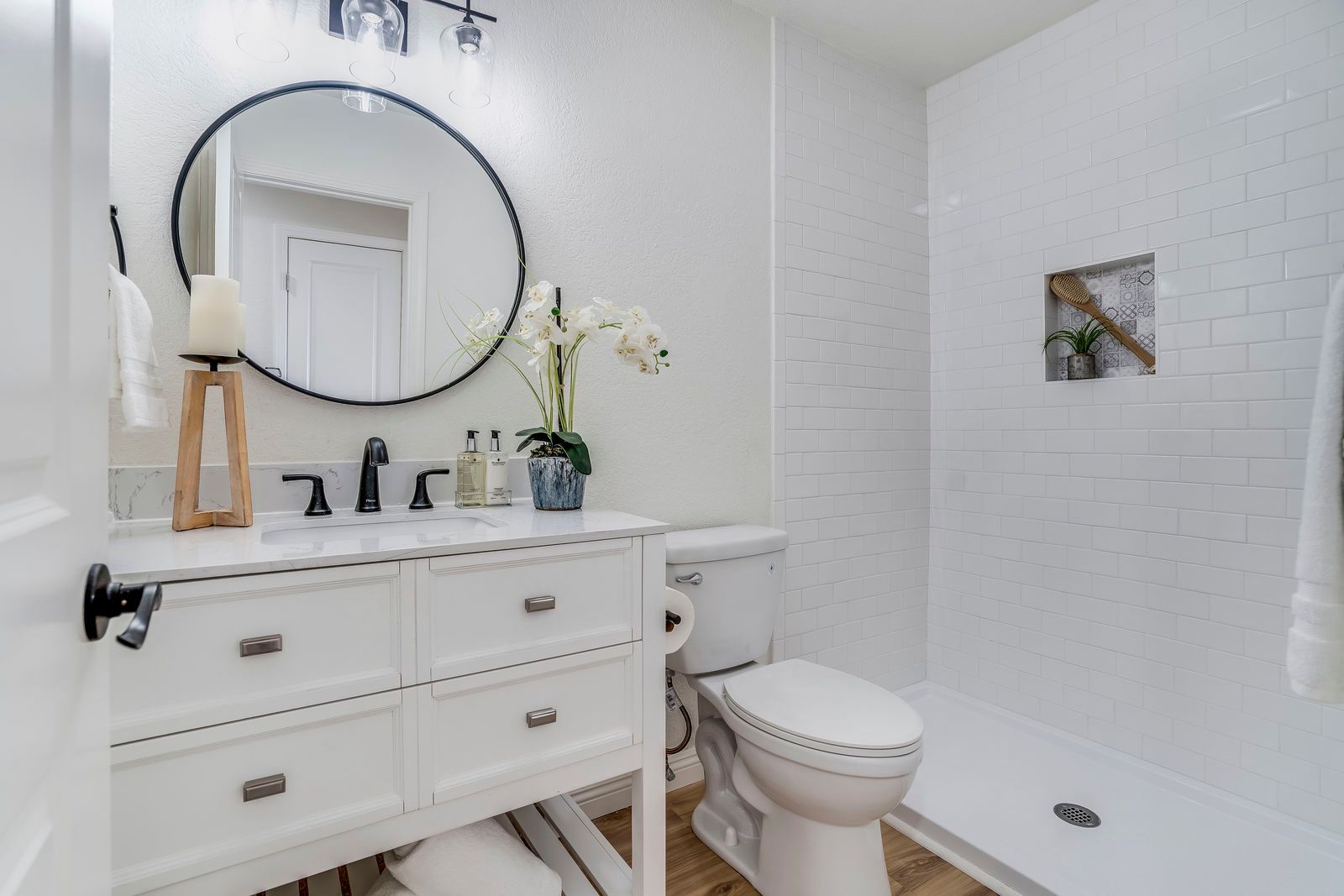
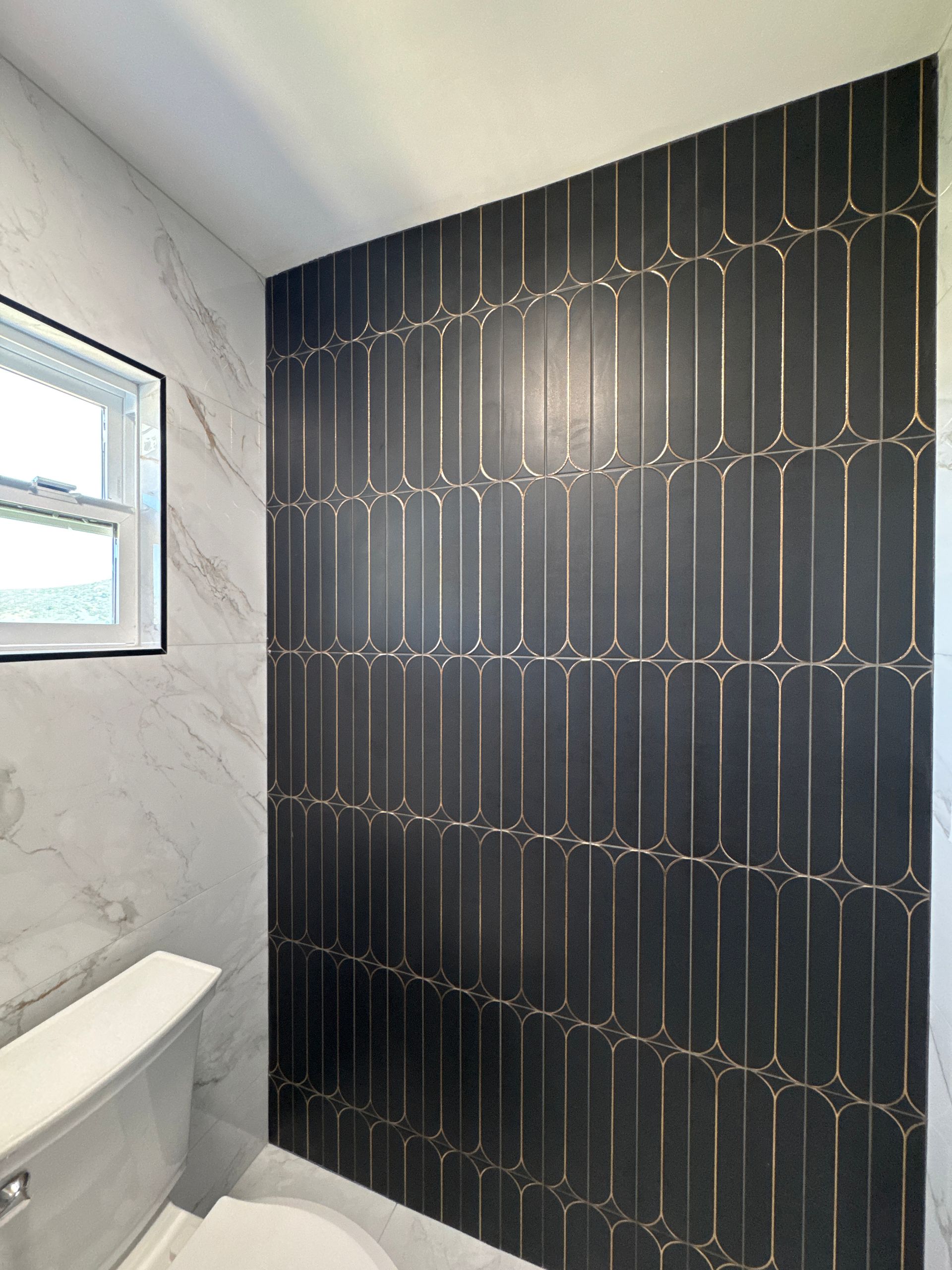
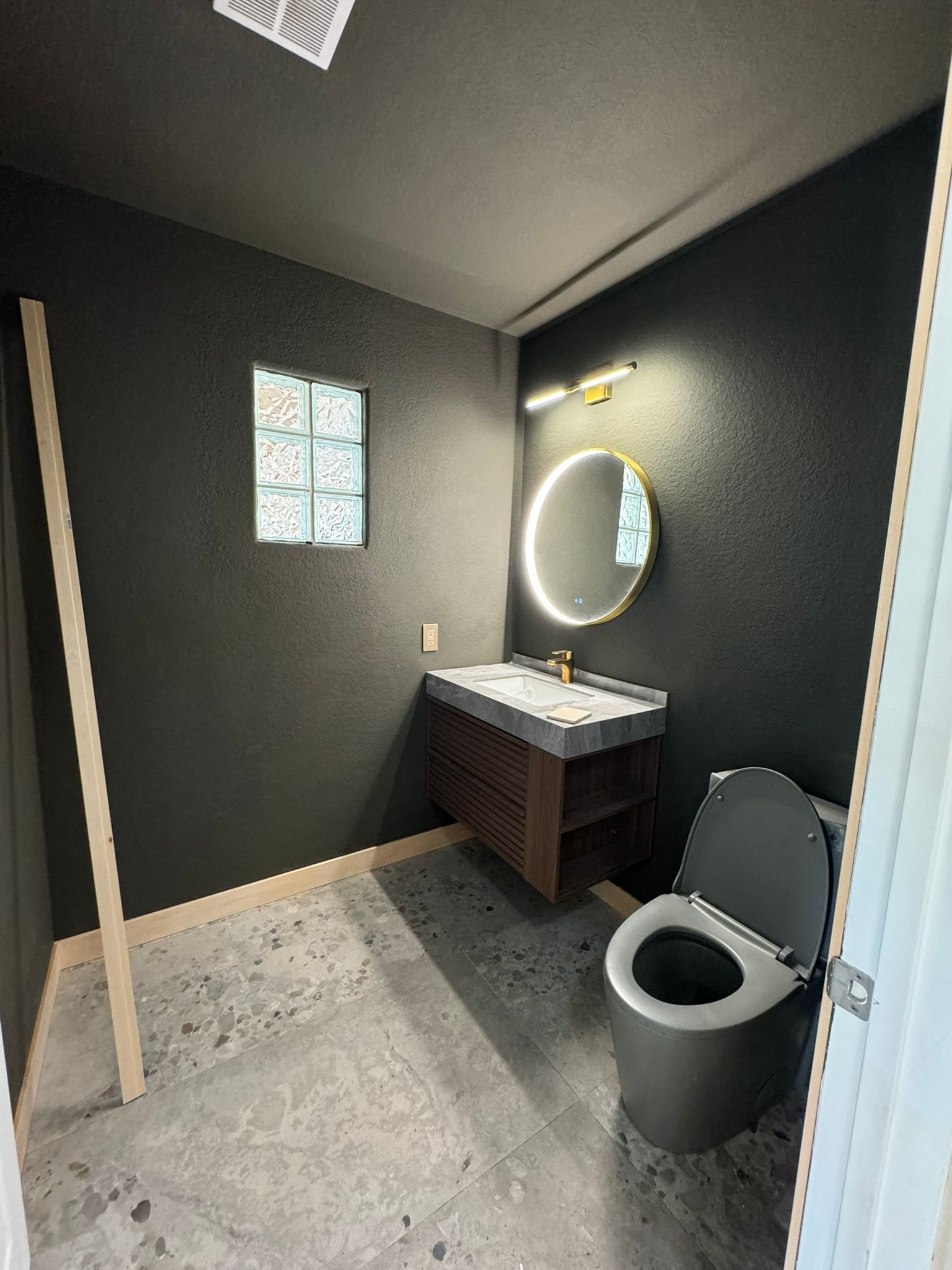
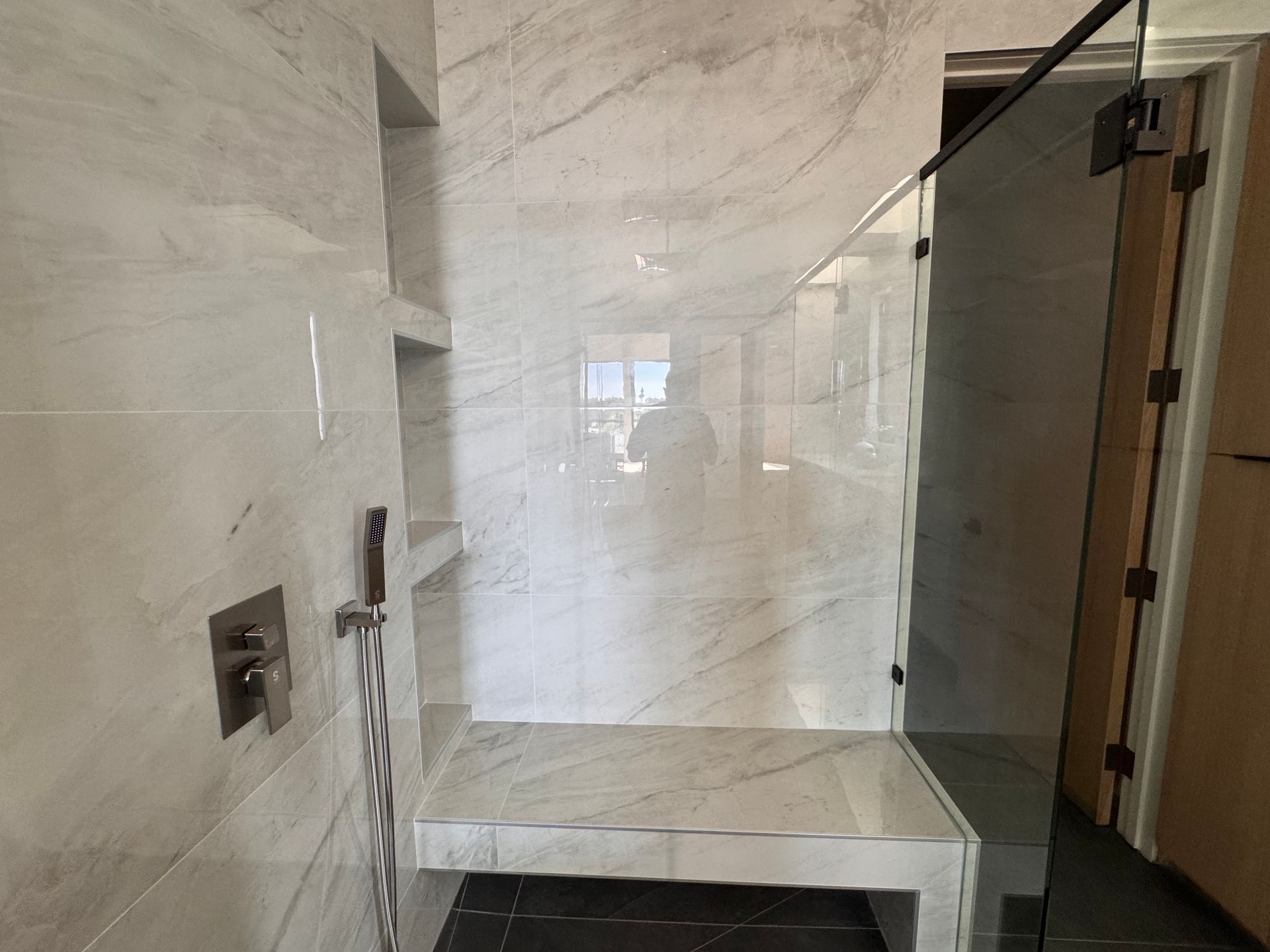
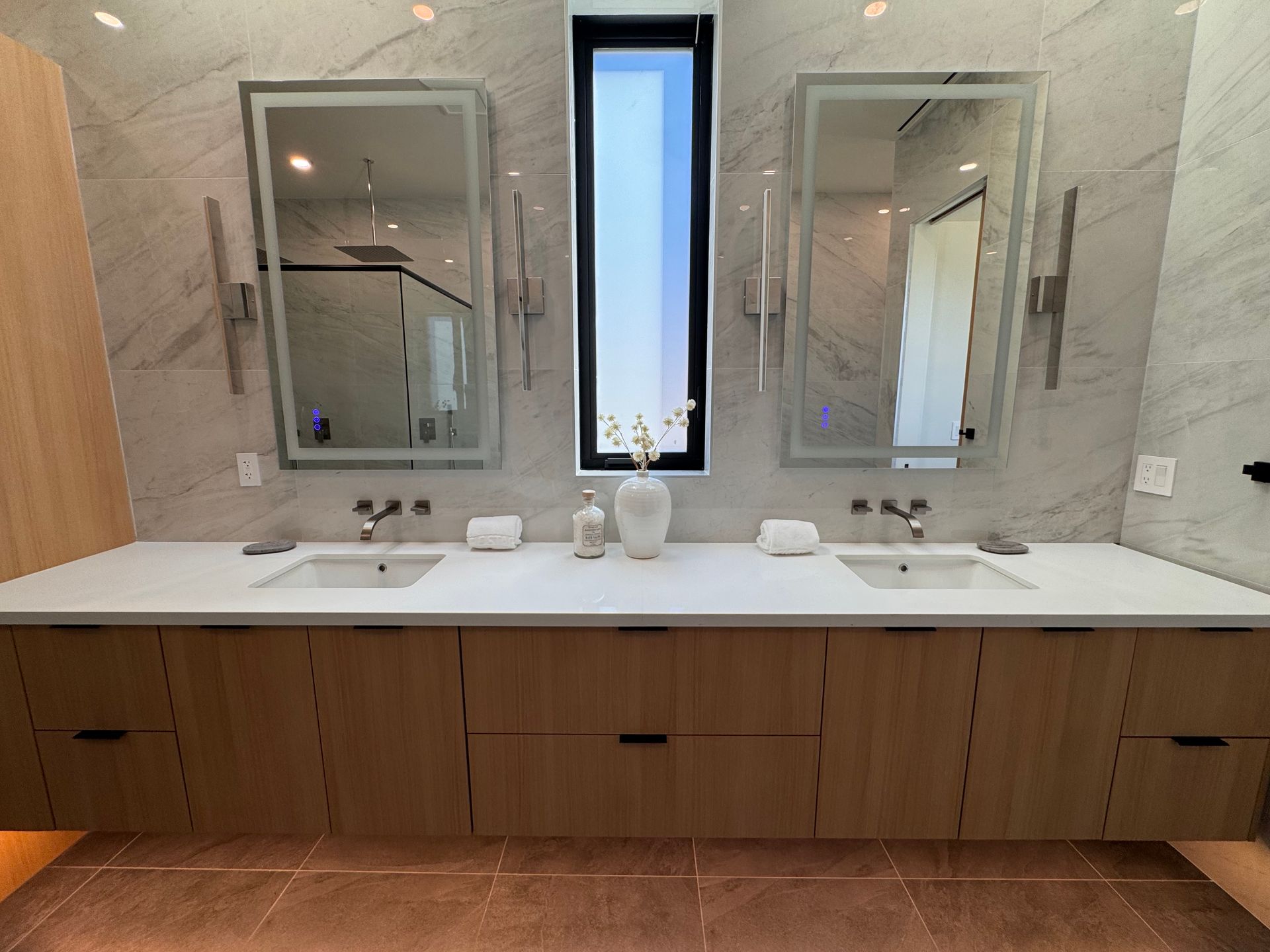
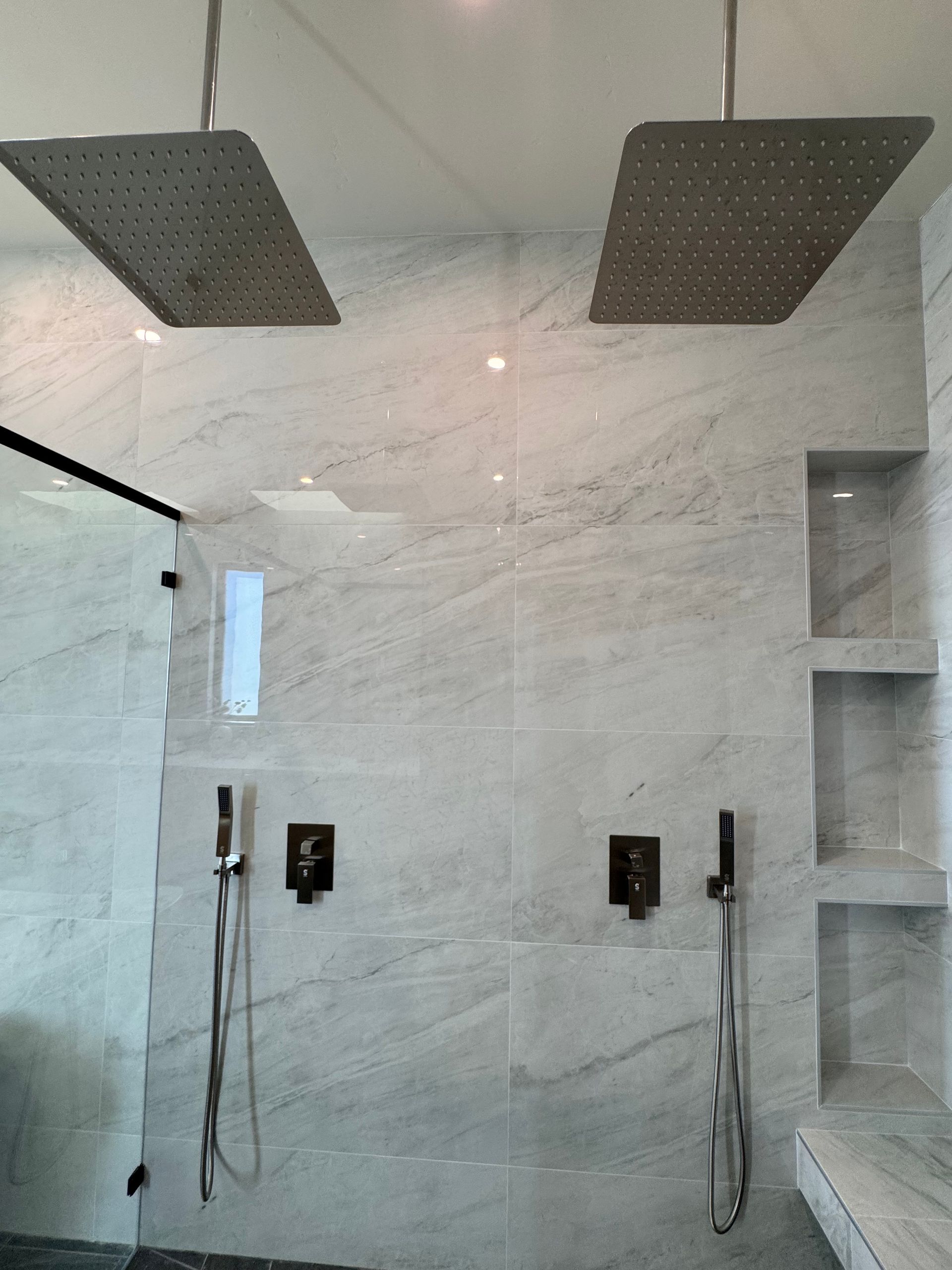
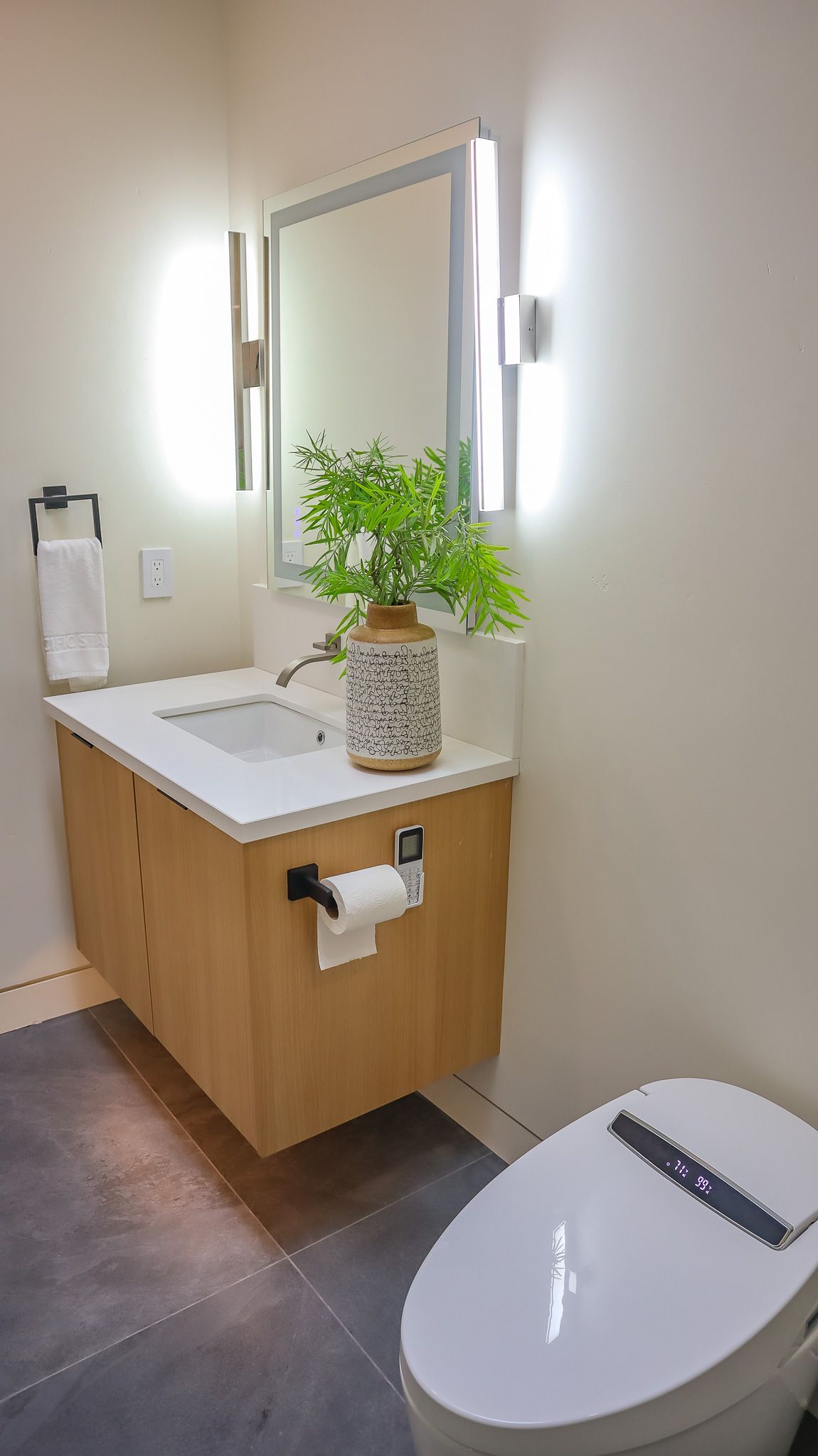
Bathroom
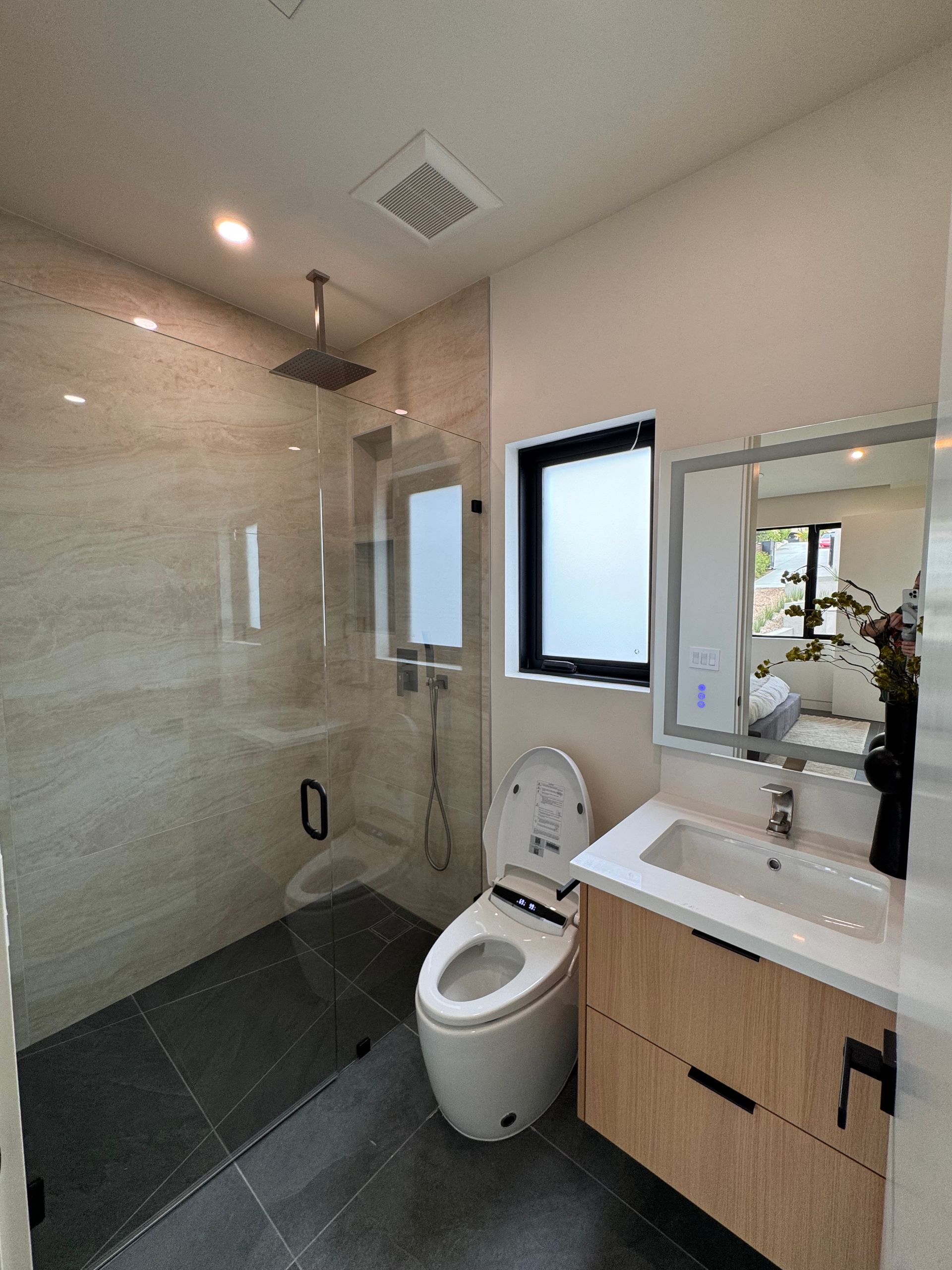
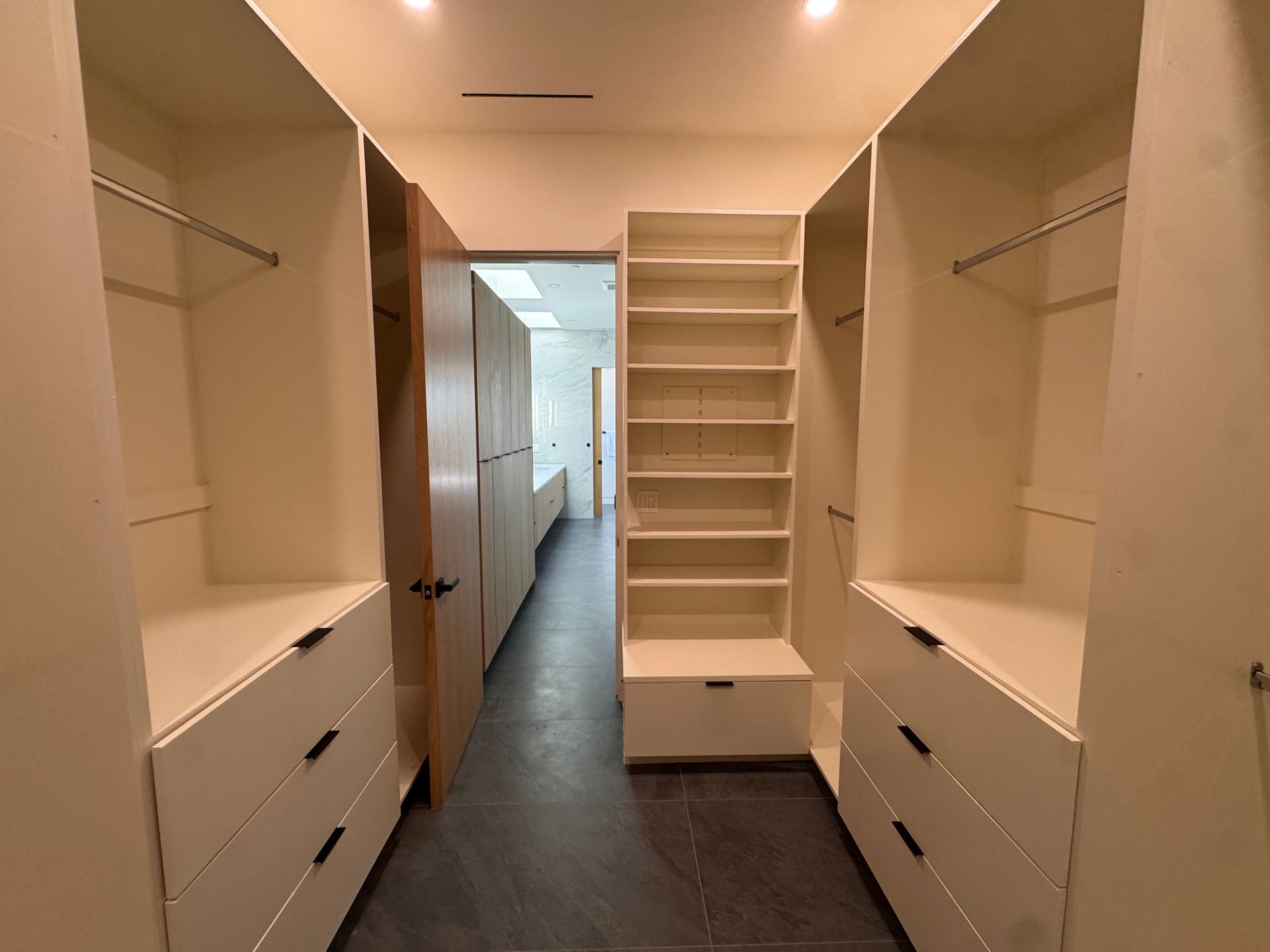
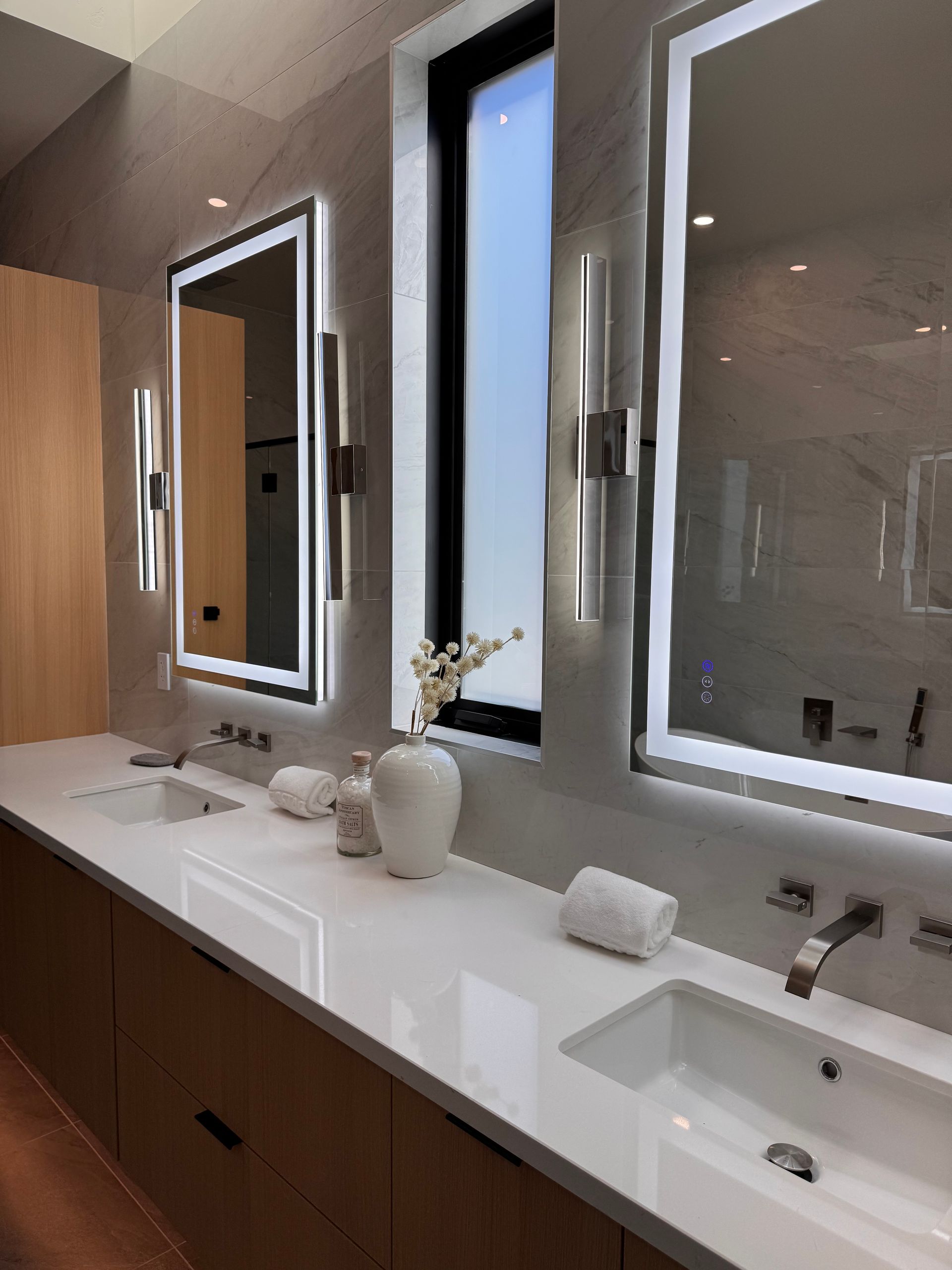
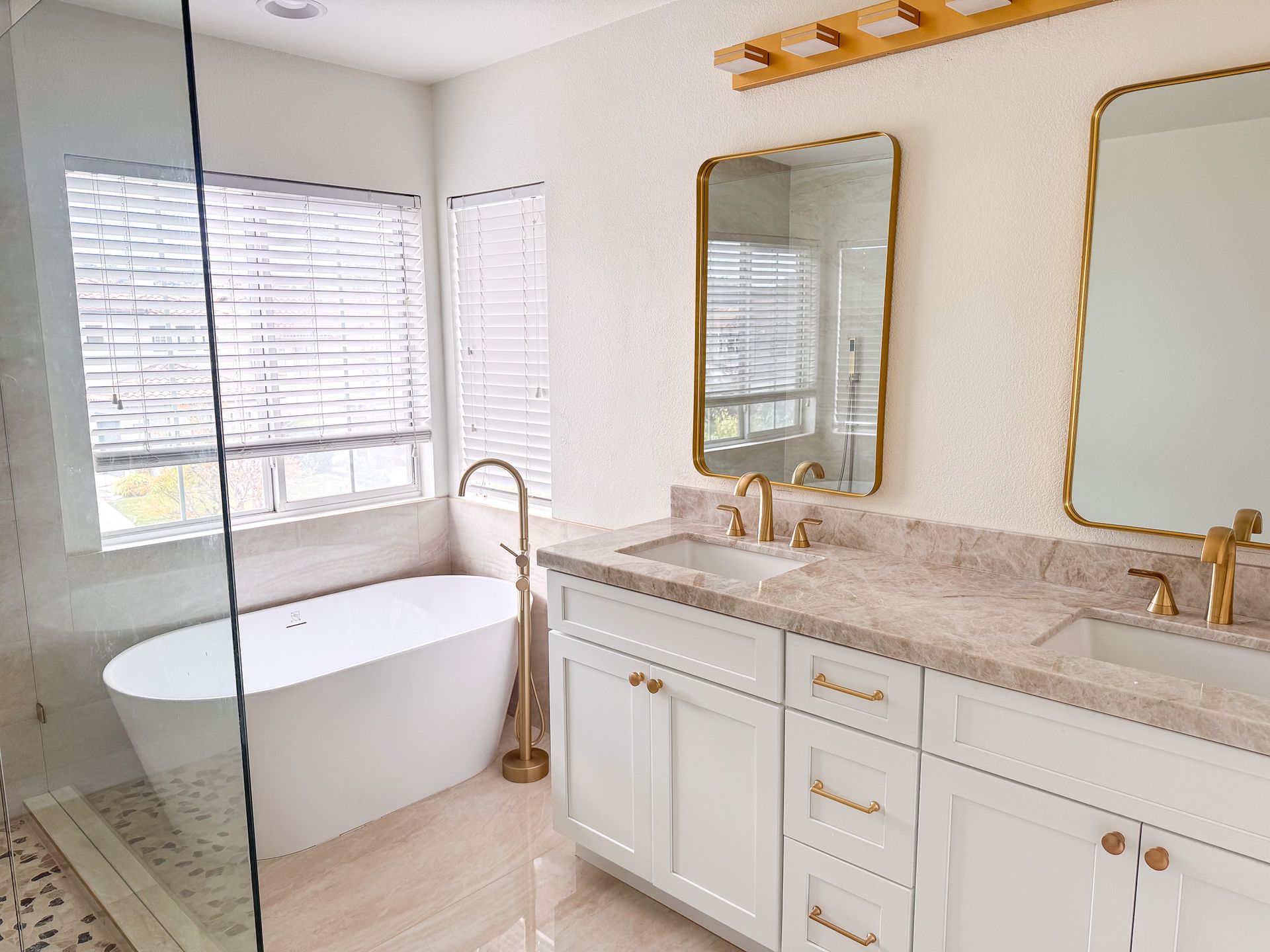
Exterior
Before and Afters